
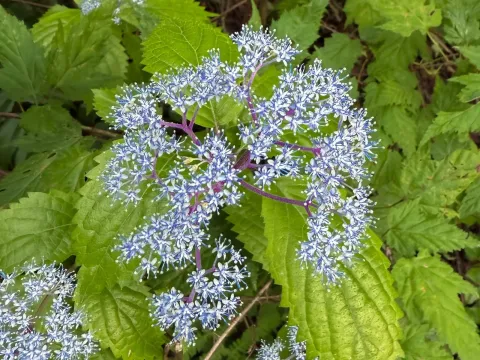
Hydrangea hirta
Hydrangea hirta
Hydrangea hirta is a deciduous shrub belonging to the Hydrangeaceae family. Native to the mountain regions of Japan, this species is highly valued by collectors for its subtle beauty and distinct leaf texture.
What the section contains
Hydrangea hirta
The plant thrives in moist, well-draining soils that are rich in organic matter. A key requirement for healthy development is acidic soil, which significantly affects the color and vigor of the shrub during the growing season.
In terms of light exposure, Hydrangea hirta prefers partial shade or dappled light. Exposure to intense midday sun can cause dehydration and leaf scorch, making forest margins or sheltered garden corners ideal planting sites.
Climatic requirements involve protection from severe winter frost. In colder zones, the base of the plant should be mulched heavily with organic material, and the stems might require protective coverings to survive the dormancy period.
Good agricultural practices include consistent moisture management throughout the summer. Using specialized hydrangea fertilizers will ensure lush foliage and help the plant maintain its natural resistance to environmental stress.
Common pests associated with this plant include aphids and spider mites. These small insects thrive in dry, stagnant air conditions and can cause significant foliage damage if left untreated.
Fungal issues such as powdery mildew or botrytis (gray mold) are primary threats, especially when humidity levels remain high for extended periods without adequate air circulation.
To mitigate these risks, it is recommended to prune the shrub to allow light and air to penetrate the center of the canopy, reducing the likelihood of moisture accumulation on the leaves.
Application of fungicides and insecticidal soaps is effective for control, but these should always be used according to label instructions to avoid damaging the plant's delicate tissues.
Monitoring the soil pH is also a form of preventative care; incorrect soil chemistry can weaken the plant, making it more susceptible to various opportunistic pathogens and nutrient deficiencies.