
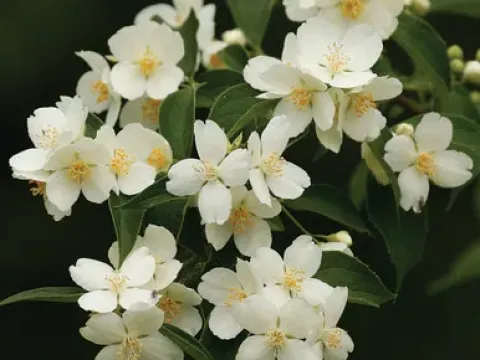
Mock orange (Philadelphus pubescens)
Philadelphus pubescens
Philadelphus pubescens, commonly known as the broadleaf mock orange, is a robust deciduous shrub belonging to the Hydrangeaceae family. Native to the southeastern United States, it is widely appreciated in landscaping for its showy, fragrant white flowers that appear in early summer.
What the section contains
Mock orange (Philadelphus pubescens)
The shrub thrives in full sun or partial shade, though optimal flowering is achieved with at least six hours of direct sunlight. It is adaptable to a variety of soil types, provided that the soil is fertile, moist, and drains well. Waterlogged soils should be avoided to prevent root rot.
For successful cultivation, soil enrichment with organic matter like compost or well-rotted manure is recommended before planting. The plant prefers slightly alkaline to neutral soil pH. Adequate spacing is essential to ensure healthy growth and access to nutrients.
Cultural practices involve periodic watering, especially during dry spells in the growing season. Pruning should be performed immediately after the flowering period to encourage new growth and maintain an aesthetic shape. Removing a portion of old branches annually helps rejuvenate the shrub.
The primary use of this species is ornamental. It is a staple in perennial gardens, shrub borders, and as a backdrop for smaller plants. Its ability to tolerate urban pollution makes it a versatile choice for municipal landscape projects and residential garden design.
Mock orange is susceptible to several common pests, including aphids and spider mites, which can cause leaf curling and yellowing. Early detection is key to controlling infestations using either insecticidal soaps or horticultural oils for organic management.
Fungal diseases such as powdery mildew or leaf spots can occur if airflow is poor and humidity levels are consistently high. Ensuring proper plant spacing and avoiding overhead watering can significantly reduce the incidence of these conditions.
In cases of severe infection, fungicides may be necessary to protect the plant tissue. Always follow label instructions and prioritize environmental health when applying chemical treatments in the garden.
Routine sanitation is a critical aspect of plant protection. Gathering and disposing of fallen leaves prevents the overwintering of pathogens. Healthy plants are better able to withstand attacks, emphasizing the importance of consistent care and soil fertility.
Vigilance is required throughout the growing season. Regular monitoring for signs of stress, such as wilting or discoloration, allows for prompt intervention before significant damage occurs to the decorative value of the shrub.