
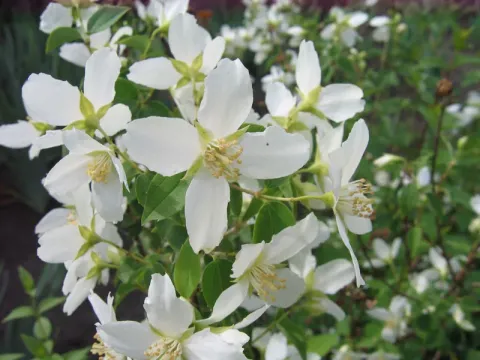
Philadelphus brachybotrys
Philadelphus brachybotrys
Philadelphus brachybotrys is a deciduous ornamental shrub belonging to the Hydrangeaceae family. Known for its aesthetic appeal, it thrives in well-drained, fertile soils that provide sufficient nutrients and moisture for its vigorous growth patterns.
What the section contains
Philadelphus brachybotrys
Native to East Asia, this species is well-adapted to various climates but shows optimal performance in temperate regions. It requires a location with adequate access to sunlight to ensure a profuse display of fragrant white flowers during the blooming season.
Water management is critical for the health of this shrub. While it can withstand short periods of drought, consistent soil moisture during the flowering period is essential to prevent premature wilting and ensure the longevity of the blossoms.
Cultural practices include regular pruning to maintain an attractive shape and promote new growth. It is recommended to prune immediately after the flowering stage, removing old, weak, or crossing branches to improve air circulation throughout the canopy.
The shrub is relatively hardy and requires minimal protection in standard climatic conditions, though young specimens may benefit from mulch layers to shield their shallow roots from significant temperature fluctuations during winter months.
Philadelphus brachybotrys may encounter challenges from pests like aphids and spider mites, particularly when the shrub is stressed or planted in conditions with poor airflow, which allows these insects to colonize the leaves rapidly.
Fungal issues, such as leaf spot or powdery mildew, can occur in damp and humid environments. These conditions facilitate the growth of pathogens, which can severely compromise the plant's decorative appearance if left unaddressed.
Cultural control, such as removing debris from the base of the plant and ensuring proper plant spacing, remains the first line of defense against most common diseases and pest infestations for this shrub species.
Chemical intervention should be reserved for severe outbreaks, utilizing appropriate insecticides or fungicides that are registered for use on ornamental shrubs to prevent collateral damage to beneficial garden insects.
Consistent monitoring and early detection of symptoms are vital components of integrated pest management for this culture, ensuring that the shrub remains healthy and continues to add value to the landscape for many years.