
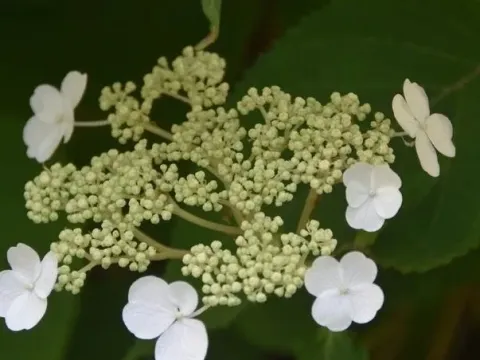
Long-stalked hydrangea
Hydrangea longipes
The long-stalked hydrangea, scientifically known as Hydrangea longipes, is an ornamental shrub belonging to the Hydrangeaceae family. Native to the mountainous regions of China, this plant is valued for its unique foliage and distinct inflorescences that provide high aesthetic appeal.
What the section contains
Long-stalked hydrangea
The plant thrives in cool, shaded, or semi-shaded environments where the air is consistently moist. In cultivation, it requires a site protected from harsh, direct sunlight, which can quickly dehydrate the plant and cause unsightly leaf scorch during the summer months.
Soil quality is paramount for the health of this species. It demands a well-drained, humus-rich soil that mimics the forest floor conditions of its natural habitat. The pH should ideally be acidic to neutral to ensure that all necessary micronutrients are readily available for absorption.
Consistent moisture management is a cornerstone of proper agrotechnics. While the root system requires moisture to support the expansive foliage, it is equally important to avoid waterlogging, which can be mitigated by incorporating organic matter and sand into the planting hole for improved drainage.
General maintenance includes annual mulching, which serves multiple functions: preserving soil temperature, reducing weed competition, and slowly releasing organic nutrients. This practice is particularly beneficial in regions with irregular rainfall patterns, as it helps stabilize the soil moisture levels.
The long-stalked hydrangea is susceptible to common garden pests such as aphids and spider mites. These pests thrive during periods of low humidity and can quickly colonize the undersides of leaves, leading to stunted growth and yellowing of the foliage if left untreated.
Fungal diseases, specifically powdery mildew and various leaf spot pathogens, represent a significant threat to the plant's vitality. High humidity levels combined with poor air circulation within the shrub canopy create an environment favorable for the spread of these fungal spores.
Nutrient deficiencies often manifest as chlorosis, where leaves turn yellow while the veins remain green. This is frequently linked to improper soil pH, which hinders the uptake of iron or magnesium, necessitating a soil test and corrective fertilization to restore the plant's natural health.
Root rot is a critical condition caused by overwatering or poor drainage. It often leads to sudden wilting and eventual death of the branches, requiring an immediate review of the watering regimen and the potential removal of affected plant tissue to prevent further spread.
Effective pest and disease management includes preventive measures such as ensuring adequate spacing between plants and performing regular sanitation. Pruning out dead or congested branches improves airflow and reduces the risk of moisture-related infections throughout the growing season.