
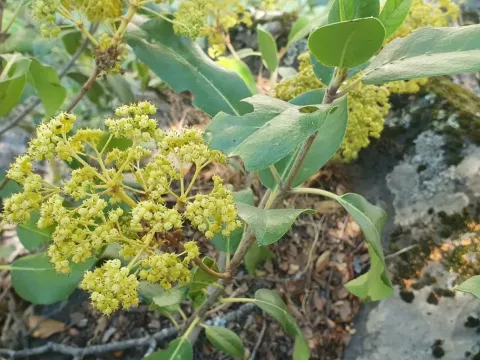
Hydrangea serratifolia
Hydrangea serratifolia
Hydrangea serratifolia is an evergreen to semi-evergreen woody shrub belonging to the Hydrangeaceae family. Known for its distinct foliage with serrated margins, it stands out from more common garden hydrangea species due to its unique architectural structure.
What the section contains
Hydrangea serratifolia
Native to the temperate rainforests of Chile and Argentina, this plant is naturally adapted to moist, cool environments. It thrives in locations that replicate its natural habitat, providing a lush, evergreen presence in protected garden areas.
To ensure healthy growth, the plant requires acidic, well-draining, and humus-rich soil. It is intolerant of alkaline soils or poorly drained ground, which can cause severe root rot or nutritional deficiencies that inhibit the development of the foliage.
The cultural requirements include a position in partial shade, sheltered from harsh sunlight and drying winds. High humidity is essential, especially during the active growing season, and the soil must be consistently kept moist but never waterlogged.
Maintenance should focus on light pruning to maintain shape and the regular application of fertilizers designed for acid-loving plants. Mulching with organic materials like pine bark or leaf mold helps maintain soil acidity and moisture levels around the root zone.
Fungal diseases are the primary concern for Hydrangea serratifolia, particularly in humid or confined environments where air circulation is limited. Issues such as leaf spots or powdery mildew require preventative spacing and foliage maintenance.
Pests such as aphids and spider mites can infest the plant, particularly in dry conditions. Integrated pest management, including the use of horticultural soaps or specific insecticides, is recommended to keep the shrub healthy and productive throughout the year.