
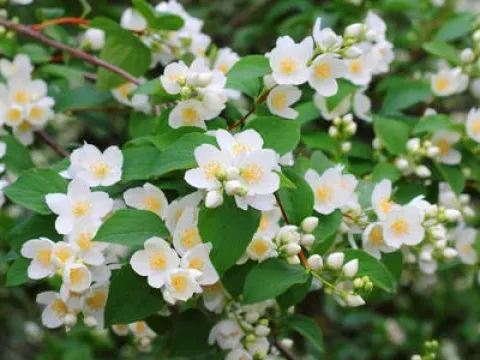
Mock orange penduliformis
Philadelphus penduliformis
Philadelphus penduliformis, commonly known as a type of mock orange, is an ornamental shrub belonging to the Hydrangeaceae family. It is recognized for its unique pendulous branches that create an elegant silhouette, making it a highly desirable plant for landscaping and garden aesthetics.
What the section contains
Mock orange penduliformis
The origin of this species is associated with temperate regions where it thrives in environments with sufficient daylight. It prefers sunny locations but can also adapt to partial shade, provided it receives enough light to produce its characteristic fragrant, white blooms during the spring and early summer seasons.
Soil requirements for this crop include well-drained, fertile loams with a neutral to slightly acidic pH. Proper drainage is crucial, as the roots are sensitive to waterlogging, which can cause significant physiological stress and lead to susceptibility to root-borne diseases.
Agronomic practices for Philadelphus include regular irrigation during the initial growth stages and prolonged dry spells. Applying organic matter or balanced fertilizers annually in early spring encourages vigorous growth and helps the shrub maintain its decorative, weeping form.
The primary use of this plant is ornamental. It is widely employed in landscape design for standalone specimens, background layers in mixed borders, or as part of flowering hedges where its structural beauty and fragrance can be best appreciated by observers.
The shrub is occasionally affected by common pests such as aphids and spider mites, which feed on the tender leaf tissues. Integrated pest management strategies, such as using horticultural oils or systemic insecticides, are recommended to maintain plant health.
Diseases like gray mold and various types of leaf spot fungi are the most prevalent issues, often triggered by high humidity levels or poor air circulation within the shrub's canopy. Regular thinning of the branches helps improve airflow and reduces moisture retention on foliage.
Preventive measures play a critical role in managing the plant's health. Avoiding overhead irrigation at night and ensuring the planting site is properly aerated significantly reduces the likelihood of fungal colonization on the leaves and stems.
If chemical interventions are necessary, they should be applied strictly during the non-flowering phases to protect beneficial pollinators that are attracted to the plant's flowers. Always follow the manufacturer's instructions for application rates and safety.
A maintenance program should include the systematic removal of debris from the base of the shrub. This helps prevent the accumulation of pathogens and creates a cleaner environment that supports the overall vigor of the woody plant.