
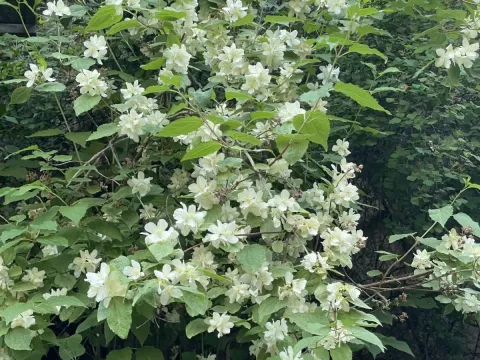
Peking mock orange
Philadelphus pekinensis
The Peking mock orange (Philadelphus pekinensis) is a deciduous shrub belonging to the Hydrangeaceae family. Native to East Asia, including China, Korea, and Mongolia, it is widely recognized for its graceful growth habit and fragrant white flowers. It is a highly valued ornamental plant in temperate climates.
What the section contains
Peking mock orange
This species thrives in well-drained, fertile soil with a neutral to slightly acidic pH. While it is adaptable to various soil types, it performs best when provided with sufficient organic matter. Adequate drainage is essential, as the roots are sensitive to waterlogging, which can cause significant physiological stress.
Regarding climate requirements, Philadelphus pekinensis is noted for its hardiness. It can withstand moderate frost, making it suitable for landscaping in many regions. Plant placement should ideally be in full sun to partial shade, ensuring that the shrub receives at least 6 hours of light daily for optimal blooming performance.
Proper maintenance involves regular pruning to ensure healthy growth and structure. Removing old, unproductive wood every year encourages the growth of new flowering shoots. Watering should be consistent, especially during the establishment phase and periods of extreme drought, to prevent leaf scorch and premature wilting.
In landscaping, this shrub is utilized for its versatile aesthetic appeal. It serves as an excellent component for shrub borders, mixed hedges, or as an isolated specimen. Its pleasant, subtle fragrance enhances the sensory experience of any garden setting, making it a popular choice for urban and rural greening projects.
Aphids are the most common pests found on the Peking mock orange, usually clustering on new vegetative growth. Systemic insecticides are recommended for severe infestations to maintain plant health.
Powdery mildew can affect the leaves during periods of high humidity and poor air circulation. Proper spacing during planting and pruning out dense growth are key strategies for prevention.
Spider mites may occasionally infest the foliage, particularly in dry and hot conditions, leading to discoloration. Regular monitoring and irrigation help minimize the impact of these pests.
Root rot can occur if soil drainage is insufficient. It is crucial to monitor soil moisture levels and ensure the planting site is properly amended before installation.
General sanitation, including the removal of fallen leaves and dead wood, is vital to prevent the overwintering of pathogens and harmful insects near the shrub base.