
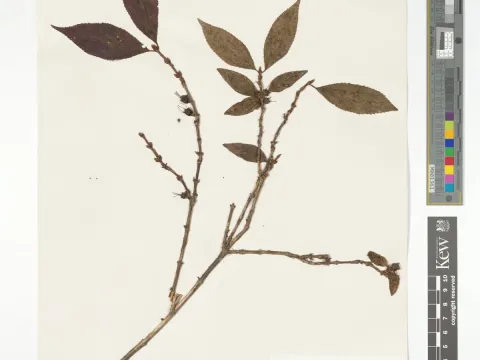
Korean Deutzia
Deutzia coreana
Korean Deutzia (Deutzia coreana) is a deciduous flowering shrub belonging to the Hydrangeaceae family. It is widely cultivated for its graceful habit and profuse flowering display, making it a staple in ornamental horticulture.
What the section contains
Korean Deutzia
The plant originates from the Korean Peninsula, where it typically inhabits mountain slopes and woodland borders. These ecological origins dictate its preference for sheltered, partially shaded locations with moderate air humidity levels.
Regarding soil requirements, the species performs best in rich, fertile, and well-drained soils with a slightly acidic to neutral pH. It is sensitive to waterlogged conditions, which can lead to root decay; thus, proper drainage is an essential horticultural prerequisite.
Cultivation practices include regular irrigation during dry spells, especially in the first few years after planting. Mulching the root zone is highly recommended to preserve soil moisture and stabilize root temperatures against seasonal fluctuations.
In landscaping, this shrub is utilized primarily for its ornamental value. It serves effectively in borders, mixed hedge plantings, or as a focal point in specialized shrub gardens, providing seasonal interest through its distinctive blooms and foliage.
Common pests affecting Korean Deutzia include aphids and leaf miners. These insects can significantly diminish the plant's aesthetic quality by causing distorted growth and chlorosis on the foliage, eventually stunting the shrub's overall development.
Integrated pest management strategies are crucial for maintaining shrub health. Regular inspections and the application of systemic insecticides during early pest manifestation periods are effective measures to prevent widespread infestation.
Fungal diseases, specifically leaf spot and powdery mildew, represent the most frequent pathological threats. These issues occur primarily when air circulation around the shrub is inadequate or when moisture levels are excessive for prolonged periods.
To mitigate disease risk, annual pruning is essential to improve airflow throughout the crown. Removing old, diseased, or overcrowded branches helps keep the plant canopy dry and reduces the habitat for fungal spores.
Application of fungicides should be performed as a preventive measure in spring and autumn. Ensuring proper spacing during initial planting significantly contributes to the long-term resilience of the shrub against environmental and biological stressors.