
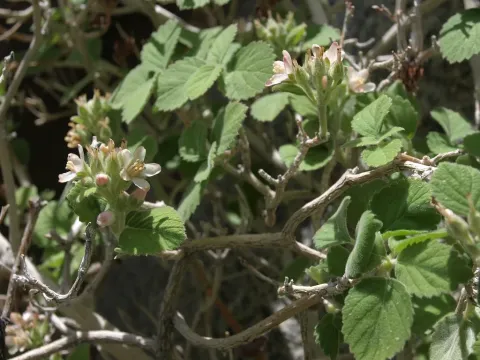
Jamesia
Jamesia
Jamesia is a genus of deciduous shrubs within the Hydrangeaceae family. The most widely recognized species is Jamesia americana, commonly known as cliff bush, which is native to the rocky and mountainous regions of Western North America.
What the section contains

Jamesia
The plant thrives in well-draining, rocky, or sandy soils with a neutral to slightly acidic pH. It is highly intolerant of waterlogged conditions, making proper soil drainage a critical prerequisite for successful cultivation in garden settings.
Ideally, Jamesia requires a planting location that receives full sun to partial shade. Its natural adaptation to alpine and sub-alpine environments allows it to tolerate cool temperatures and moderate seasonal drought once the root system is established.
Agricultural practices for this shrub involve routine maintenance, including light pruning after flowering to encourage dense growth and deadheading of spent blooms. During the establishment phase, consistent but controlled irrigation is essential.
In landscaping, Jamesia is utilized primarily as an ornamental specimen for rock gardens, native plant displays, and mixed shrub borders. It is valued for its showy, fragrant, white or pinkish flower clusters that appear in late spring.
The primary threats to the health of Jamesia are fungal pathogens related to moisture, such as root rot. These conditions are typically exacerbated by poorly draining soil or excessive overhead watering, which promotes an anaerobic environment for roots.
Common horticultural pests, including aphids and spider mites, can infest the foliage, particularly during dry spells. These pests damage the leaves and reduce the aesthetic appeal of the shrub, necessitating timely intervention with insecticides.
Powdery mildew may occur if air circulation around the plant is insufficient or if humidity levels remain high for extended periods. Pruning to ensure good airflow is a standard preventative measure.
Debris accumulation around the base of the shrub can harbor pests and disease spores. Maintaining a clean garden environment is vital for reducing the risk of recurring infestations.
Monitoring the plant for signs of stress, such as leaf discoloration or wilting, allows for early intervention, ensuring the plant remains a vibrant part of the landscape for many years.