
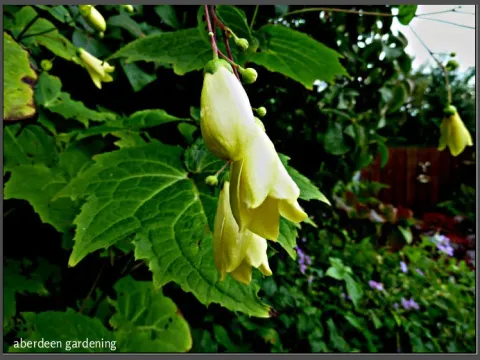
Kirengeshoma
Kirengeshoma
Kirengeshoma is a genus of perennial plants in the Hydrangeaceae family. Known commonly as "yellow wax bells," this plant is prized in horticultural circles for its unique, waxy, bell-shaped flowers and attractive maple-like foliage.
What the section contains
Kirengeshoma
Native to the mountain forests of Japan and parts of East Asia, Kirengeshoma thrives in cool, moist, and sheltered environments. It is best suited for woodland gardens where it can receive dappled light and consistent humidity levels throughout the year.
The ideal soil for this crop is rich in organic matter, slightly acidic, and well-draining. While the plant requires plenty of moisture, it cannot tolerate waterlogged conditions, which may lead to root rot; therefore, moisture-retentive but porous soil is key.
Climate requirements include avoiding locations with harsh, direct sunlight or excessive heat. In regions with very hot summers, irrigation is vital to prevent leaf scorch and ensure the development of flower buds for the late summer blooming season.
Maintenance involves mulching with leaf mold or organic compost to maintain soil temperature and moisture. This mimics the plant's natural woodland habitat and provides slow-release nutrients essential for healthy growth and long-term vitality.
The primary pests affecting Kirengeshoma are slugs and snails, particularly in the spring when new growth emerges. Mechanical barriers, bait, or manual collection are recommended to prevent significant aesthetic damage to the leaves.
Fungal diseases, such as leaf spot, can occur if there is inadequate airflow or if the plant remains consistently wet for prolonged periods. Ensuring proper spacing during planting helps mitigate these risks and improves general plant health.
Root rot is a major physiological threat often caused by improper soil drainage or over-watering. Gardeners should ensure the planting site is well-drained and avoid heavy clay soils that retain excess water for too long.
While Kirengeshoma is generally hardy, extreme winter conditions without sufficient snow cover may damage the crown. Applying a protective layer of mulch or protective covers can help insulate the roots during the dormant winter months.
In cases of aphid infestations, which can act as vectors for secondary issues, horticultural soaps or neem-based treatments are effective control measures. Frequent monitoring during the active growing season is crucial for early detection.