
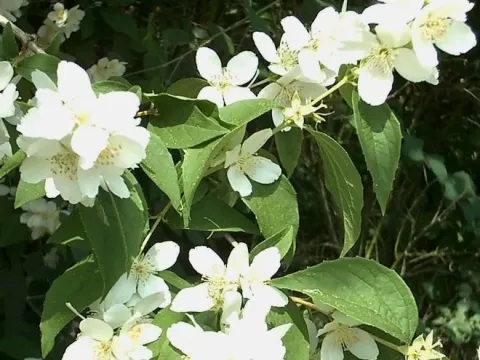
Mock Orange Monstrosus
Philadelphus monstrosus
The Mock Orange Monstrosus (Philadelphus monstrosus) is a deciduous flowering shrub belonging to the Hydrangeaceae family. It is widely recognized in horticulture for its spectacular, large blooms that provide a classic garden aesthetic and a subtle, pleasant fragrance during late spring and early summer.
What the section contains
Mock Orange Monstrosus
This species thrives in locations with full sun to partial shade, though optimal flowering is achieved when the shrub receives at least six hours of direct sunlight daily. It requires fertile, well-drained soil with a slightly acidic to neutral pH balance to ensure robust growth and healthy leaf development.
Climatic requirements involve moderate moisture, as the plant is sensitive to both prolonged drought and waterlogged conditions. In temperate zones, it shows good hardiness, but young plants should be protected from harsh, drying winter winds to prevent tissue damage.
Agricultural management requires regular fertilization during the growing season. A balanced, slow-release fertilizer applied in early spring helps promote vigorous branch development, while a second application after the flowering period supports the formation of next year's buds.
Pruning is an essential maintenance task that should be performed immediately after the flowering period concludes. By removing approximately one-third of the oldest stems, gardeners can stimulate the growth of fresh, flowering wood and keep the shrub’s structure airy and open.
Aphids are the most common pest affecting the Mock Orange, particularly targeting tender new growth and developing buds. Infestations can result in stunted growth and the curling of leaves, which requires immediate attention through the use of insecticidal soaps or systemic treatments.
Spider mites can become a significant issue during periods of hot, arid weather. These pests are notoriously difficult to spot until discoloration of the foliage occurs, so proactive monitoring of the undersides of the leaves is advised throughout the summer months.
Fungal leaf spot diseases may manifest if the planting site lacks proper airflow or if humidity remains high for extended periods. Maintaining proper spacing between shrubs and avoiding overhead irrigation can significantly lower the risk of such infections.
Root rot is a potential threat if the soil structure does not allow for efficient water drainage. If the leaves show signs of yellowing or wilting despite adequate watering, it is necessary to inspect the soil moisture levels and ensure the roots are not trapped in stagnant water.
Integrated pest management, including the removal of dead plant matter and encouraging beneficial insects, provides a sustainable approach to maintaining the health of Philadelphus monstrosus in a professional garden setting.