
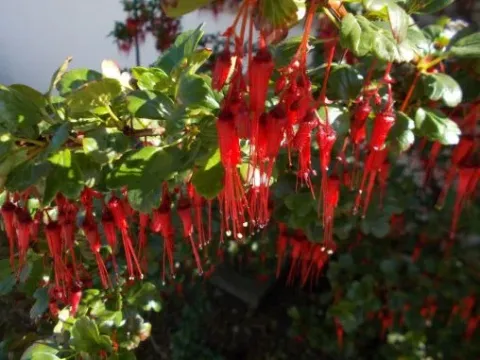
Ribes vilmorinii
Ribes vilmorinii
Ribes vilmorinii is a distinct species of the Grossulariaceae family, originating from the mountainous regions of Western China. It is recognized for its unique aesthetic appeal, characterized by arching branches and elegant foliage that make it a favorite for woodland gardens.
What the section contains
Ribes vilmorinii
This species thrives in temperate climates that mimic its native high-altitude habitat. It prefers locations with partial shade, as intense direct sunlight during the afternoon can stress the plant and cause leaf scorch.
The soil requirements for this shrub include rich, well-draining loam with a slightly acidic to neutral pH. Organic matter enrichment is essential, as the species naturally adapts to forest floor conditions where nutrients are readily available.
Moisture management is critical; while the plant requires consistent soil moisture, it is highly intolerant of waterlogged conditions. Mulching around the base is recommended to regulate soil temperature and retain humidity.
Pruning should be done judiciously to maintain the plant's natural form and encourage airflow. Given its ornamental nature, it is often grouped with other shade-loving shrubs to create a layered planting structure.
Ribes vilmorinii is susceptible to various fungal pathogens, particularly anthracnose and leaf spot, which are exacerbated by poor ventilation. Maintaining a proper distance between plantings is a key preventative measure.
Powdery mildew is another concern in environments with high humidity and fluctuating night temperatures. Fungicidal applications may be required if weather conditions favor the rapid spread of spores.
Insect pests, including aphids and leaf-rollers, can damage tender new growth during the spring season. Integrated pest management, focusing on early detection, is the most effective approach to control.
Spider mites are common in hotter, drier summer months. Regular misting or the use of biological controls can help mitigate these populations without relying solely on chemical interventions.
Sanitation practices, such as removing fallen leaves at the end of the season, are vital to reduce the overwintering habitat for both diseases and insects, ensuring the longevity of the plant.