
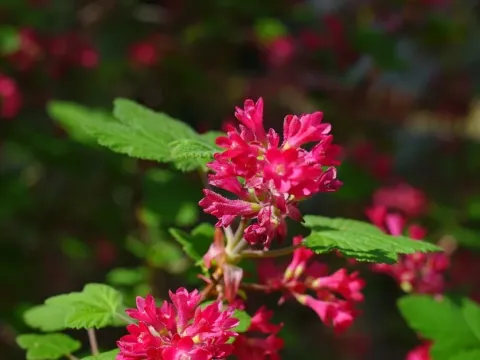
Ribes stenocarpum
Ribes stenocarpum
Ribes stenocarpum, commonly known as the narrow-fruited currant, is a deciduous shrub belonging to the Grossulariaceae family. This species is primarily recognized for its unique botanical profile and its adaptation to alpine ecological niches.
What the section contains
Ribes stenocarpum
The origin of Ribes stenocarpum is centered in the mountainous regions of Western China. It has evolved to thrive in high-altitude environments characterized by rocky terrains and significant diurnal temperature fluctuations, demonstrating remarkable hardiness.
Botanically, the species is defined by its distinctively narrow, elongated fruits and hardy shrub structure. Its foliage typically shows a high level of resilience to the intense solar radiation found at high elevations, which is a key adaptive trait.
In terms of cultivation requirements, the plant prefers well-drained soil with a slightly acidic to neutral pH. It is crucial to prevent waterlogging, as the species is highly sensitive to excessive moisture near the root collar during the dormant season.
The shrub performs best in open, sunny locations with protection from prevailing strong winds. It is a slow-growing species compared to common currants, requiring patience and stable environmental conditions for optimal maturation.
Typical threats include common currant pests such as the currant bud mite and various aphid species that colonize succulent shoots during the spring growth flush.
Fungal pathogens like anthracnose can affect the leaves, particularly during humid summers. Ensuring proper airflow through the canopy via pruning is the most effective cultural method to mitigate these risks.
Root rot represents a significant threat if the soil drainage is inadequate. Proper site preparation, including the addition of organic matter to improve soil structure, is essential for long-term survival.
Bird damage during the ripening of the narrow fruits is common. Protective netting is often recommended in agricultural settings to ensure the crop is not fully consumed by local wildlife.
Routine inspections for signs of pests or nutritional deficiencies are advised to maintain the vigor of the plant, as recovering from severe infestations can be challenging for this species.