
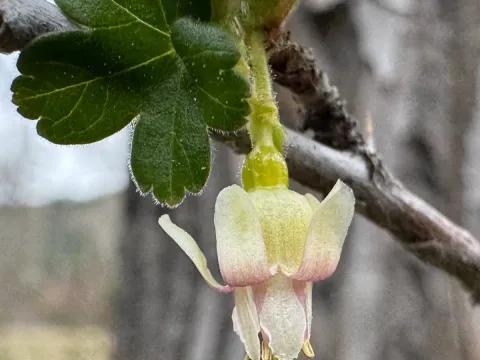
Hawthorn-leaved currant
Ribes oxyacanthoides
The Hawthorn-leaved currant (Ribes oxyacanthoides) belongs to the Grossulariaceae family. This deciduous shrub is native to the forested areas of North America and parts of Eastern Eurasia.
What the section contains
Hawthorn-leaved currant
The plant is highly valued for its extreme winter hardiness and its ability to thrive in harsh climates where other fruit species might fail to survive or produce berries.
It prefers fertile, well-drained loamy soils. Good soil aeration is essential, as the root system is sensitive to waterlogging, which can lead to rapid decline in plant health.
While the species can tolerate partial shade, it produces higher yields when grown in sunny locations, provided that the soil moisture levels are maintained throughout the season.
Basic maintenance includes regular pruning to improve air circulation, applying organic mulch to retain soil moisture, and periodic feeding to support vigorous vegetative growth.
The berries of this shrub are notable for their distinct tart flavor and high content of vitamins and antioxidants, making them useful for culinary and medicinal applications.
Cultivation practices aim to maximize fruit set by ensuring proper pollination and providing balanced nutrient levels during the active growth and ripening phases of the plant.
Common fungal diseases, such as leaf spot and mildew, can affect the foliage during humid periods, potentially reducing the overall vigor and yield of the shrub.
Pest pressure often comes from aphids and various currant-specific insects that feed on young shoots or developing buds during the early spring growth period.
The harvest period typically occurs in mid-to-late summer; berries should be picked when they are fully colored and firm to ensure the best flavor profile for consumption.