
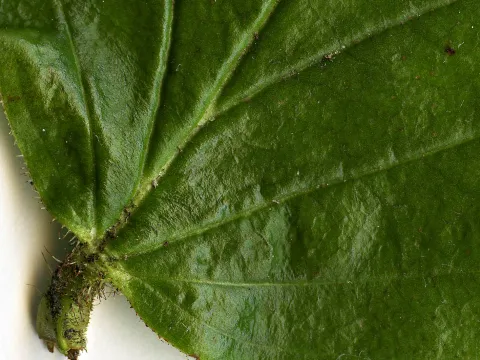
Henry's currant
Ribes henryi
Henry's currant (Ribes henryi) is a distinctive species belonging to the Grossulariaceae family. Unlike commercial blackcurrant varieties, this species is often appreciated by botanists and collectors for its unique aesthetic traits.
What the section contains
Henry's currant
The species originates from the mountainous regions of Central China. It naturally thrives in woodland settings, suggesting a preference for sheltered environments with filtered light.
To cultivate this shrub successfully, provide well-draining, humus-rich soil. It is highly sensitive to soil compaction and prefers slightly acidic to neutral pH levels for optimal nutrient uptake.
Climate requirements include protection from extreme heat and desiccating winds. In colder climates, it is essential to provide winter protection to ensure the survival of younger stems.
Maintenance involves consistent moisture management. Watering schedules should be adjusted based on seasonal rainfall, with a layer of mulch applied to regulate soil temperature and retain moisture.
The plant is susceptible to common currant diseases such as powdery mildew, especially when air circulation around the canopy is restricted.
Pests like aphids and spider mites can pose a challenge, particularly during hot and dry spells when the plant's natural defenses may be lowered.
Integrated pest management, including the use of neem oil or soft soap solutions, is recommended to mitigate the impact of insects without harming beneficial fauna.
To maintain plant vigor, regular pruning is necessary. Removing dead or diseased wood early in the spring prevents the spread of pathogens throughout the main body of the shrub.
Root rot caused by poor soil drainage is a significant physiological threat. If the soil remains waterlogged for prolonged periods, the plant’s root system will quickly deteriorate.