
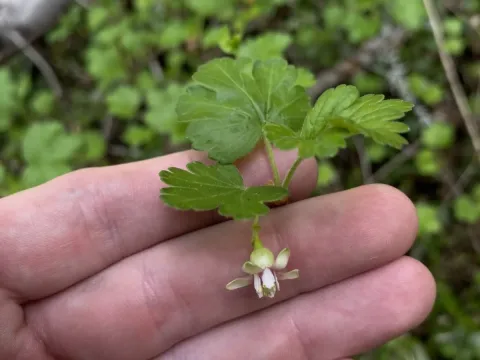
Irrigated currant
Ribes irriguum
Irrigated currant (Ribes irriguum) is a shrub species belonging to the Grossulariaceae family. The plant is well-known for its specific moisture requirements, which necessitate careful management of water resources within its cultivation environment to maintain optimal physiological health.
What the section contains
Irrigated currant
Originating from moist mountainous regions and riparian habitats, this species has evolved to thrive in soils with consistent moisture levels. In agricultural settings, it requires deep, fertile, and well-draining soils that prevent waterlogging while ensuring a constant supply of nutrients to the root system.
Climatic requirements involve moderate temperatures, as excessive heat can significantly increase transpiration rates and stress the plants. Providing partial shade or windbreaks in hotter climates can help maintain a more favorable microclimate for the development of the shrub.
Agricultural techniques for this species are centered around precision irrigation systems. Managing the water supply during the bloom and berry development phases is crucial for maximizing fruit set and ensuring high quality of the final harvest, directly impacting the economic output.
Economically, irrigated currant is valued for its versatility, being suitable for both fresh market consumption and processing into jams, jellies, and beverages. Its potential in breeding programs for drought-tolerant or water-efficient varieties remains a subject of ongoing research.
Typical diseases affecting this plant include powdery mildew and leaf spot, which thrive in humid conditions. Integrated pest management, including canopy management and appropriate spacing, is essential for reducing the humidity levels within the shrub architecture to inhibit fungal growth.
Insect pests such as currant aphids and various mite species pose a significant threat to the plant’s productivity. Successful control measures require early detection through regular scouting and the use of targeted biological or chemical control strategies to manage population outbreaks.