
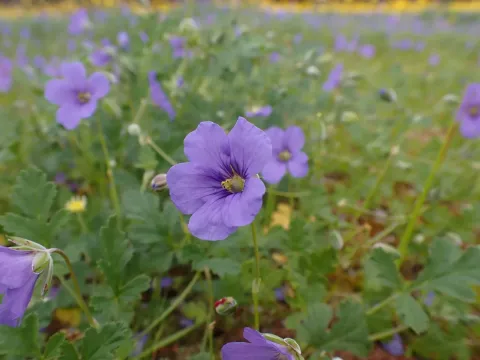
Swan River geranium
Erodium cygnorum
The Swan River geranium is a versatile plant that typically germinates in response to autumn or winter rainfall. In agricultural settings, seeds should be sown in a well-prepared seedbed during the cooler months to ensure successful establishment.
What the section contains
Swan River geranium
Seed depth is critical for this species; sowing at a depth of 1–2 cm is recommended. Excessive depth can significantly inhibit the emergence of seedlings, resulting in thin stands.
For optimal results, growers should ensure the soil is moist at the time of planting. If the soil is too dry, irrigation may be necessary to stimulate the germination process.
The plant exhibits vigorous growth once established, making it suitable for overseeding into existing pastures. This method helps to improve the overall quality of degraded grassland areas.
Strategic timing of sowing allows the plant to develop a strong root system before the onset of the peak summer drought, ensuring survival and sustained productivity throughout the season.
As a member of the Geraniaceae family, the Swan River geranium thrives in well-drained, sandy or light loamy soils. It is particularly well-adapted to environments with low fertility where other forage crops might struggle.
This species is highly drought-tolerant, utilizing a deep taproot to access water reserves. It performs best in full sunlight and is sensitive to heavy shade, which can reduce biomass accumulation.
The plant demonstrates a remarkable tolerance to slightly saline conditions, making it an excellent candidate for cultivation in arid regions where soil salinity is a major concern.
Ideal soil pH levels for this crop range from slightly acidic to neutral. While it is hardy, modest fertilization, particularly with phosphorus, can enhance early root development and overall plant vigor.
The Swan River geranium is quite resilient to the extreme temperature fluctuations often found in inland regions, maintaining growth even during spells of intense heat.
The Swan River geranium is valued primarily as a high-quality forage plant for sheep and other livestock. It offers a nutrient-rich diet, especially when consumed in the vegetative phase before seed set.
Yield potential is highly dependent on environmental conditions and grazing management. Under optimal conditions, the plant can produce a significant amount of palatable biomass.
Livestock producers appreciate the plant's high palatability, which contributes to better weight gain in grazing animals. It serves as a vital component in mixed pasture systems.
Hay production is possible if the crop is harvested at the peak of its vegetative growth. Timely harvesting is essential to ensure that the material remains soft and digestible for animals.
Future breeding efforts aim to increase the leaf-to-stem ratio, which will further improve the quality and total dry matter yield of this species in commercial farming applications.
Fungal diseases, such as powdery mildew, are the primary biological threats to the Swan River geranium, especially in environments with high humidity and limited air circulation.
Pests including aphids and certain species of weevils can cause significant damage to young leaves and growing tips, potentially reducing the overall vigour of the crop.
Poor grazing management constitutes a major threat; overgrazing can prevent the plants from completing their reproductive cycle, leading to long-term degradation of the pasture.
Root rot diseases are more prevalent in fields with poor drainage, which underscores the importance of soil management and site selection for successful cultivation.
- Practice regular crop monitoring to detect early signs of pest infestations.
- Use integrated pest management techniques to mitigate the need for harsh chemicals.
- Ensure proper pasture rotation to allow the plants to rest and recover.
Harvesting for forage should be conducted during the full flowering stage. This ensures the best balance between nutritional content and the total amount of biomass produced.
The harvesting process involves mowing and windrowing. Proper moisture management during the drying phase is essential to prevent mold growth, which can render the hay toxic or unpalatable.
For seed production, the crop should be harvested once the fruits are mature and have turned brown. Given the plant's natural propensity for seed dispersal, timely intervention is necessary to minimize harvest losses.
Post-harvest processing includes thorough cleaning to remove vegetative debris and drying to safe moisture levels to ensure the viability and longevity of the stored seeds.
Proper storage in cool, dry conditions is critical for maintaining high germination rates for future seasons, especially when dealing with smaller, more delicate seed types.