
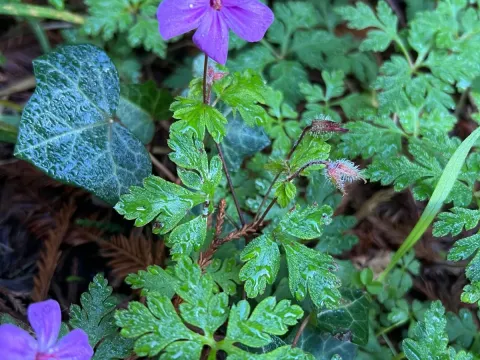
Yeo's crane's-bill
Geranium yeoi
Yeo's crane's-bill (Geranium yeoi) is a distinct perennial plant belonging to the Geraniaceae family. Native to specific mountain habitats, it has adapted to temperate climates with consistent moisture, making it a valuable addition to ornamental horticulture.
What the section contains
Yeo's crane's-bill
The plant requires well-draining soil that remains moist but not waterlogged. Ideally, it thrives in slightly acidic to neutral loamy soils. Growers should avoid heavy, compacted clays that prevent proper root aeration and can lead to immediate plant decline.
Regarding light conditions, Geranium yeoi performs best in partial shade. While it can tolerate some sun, protecting the foliage from intense midday heat is crucial to prevent leaf scorching and to maintain the vibrant color of its growth.
Consistent temperatures are vital for the healthy development of this species. It shows good resilience against standard seasonal fluctuations, but during exceptionally harsh winters, it is advisable to provide a layer of organic mulch to protect the rhizomes from frost damage.
In terms of agricultural use, this plant is primarily utilized for landscape beautification. Its natural habit of spreading makes it an excellent choice for ground covers, border edging, and woodland gardens, where it contributes to aesthetic diversity.
Common health challenges for Geranium yeoi include fungal infections like mildew and root rot. These issues are typically triggered by poor air circulation and excessive dampness in the environment, especially during humid summer months.
Pest pressures often come from sap-sucking insects such as aphids and spider mites. These pests thrive in dry environments and can cause significant damage to the leaf structure if left unchecked for an extended period.
Control measures involve a combination of cultural and chemical practices. Maintaining adequate spacing between plants is essential to ensure airflow, which naturally reduces the risk of fungal proliferation and limits the rapid spread of insect colonies.
If chemical intervention becomes necessary, gardeners should utilize products labeled for ornamental plants, ensuring they are applied according to safety guidelines to protect beneficial pollinators like bees that frequent the flowers.
Sanitation remains the cornerstone of pest and disease management. By promptly removing dead or diseased foliage at the end of the season, growers significantly decrease the survival rates of over-wintering pathogens in the garden beds.