
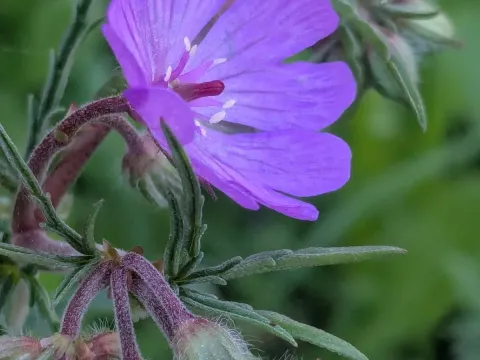
Tuberous geranium
Geranium tuberosum
Tuberous geranium (Geranium tuberosum) is a perennial herbaceous plant belonging to the Geraniaceae family. The plant is distinguished by its unique tuberous root system, which serves as a nutrient storage organ.
What the section contains
Tuberous geranium
Originating from the Mediterranean region, the Caucasus, and parts of Western Asia, this species has adapted to survive in habitats with distinct dry seasons. It typically thrives in open, sun-drenched environments.
The primary soil requirement is excellent drainage. This plant is susceptible to root rot if water stagnation occurs, necessitating sandy or gravelly soil profiles to ensure long-term viability.
Regarding climate, the species requires warm spring temperatures to initiate growth and active flowering. Its biological cycle involves a dormancy period during the hottest, driest months of the summer.
Agronomic management involves minimal irrigation, especially during the post-flowering dormancy phase. Planting density should allow for adequate airflow to prevent moisture accumulation around the plant base.
The most significant threat to Geranium tuberosum is the development of fungal rot in the tubers, typically caused by over-watering or poor soil drainage. This can lead to rapid decay of the entire plant.
Powdery mildew is a common foliar disease, particularly in humid or stagnant air conditions. Improving plant spacing is the most effective preventative measure for this disease.
Aphids can occasionally infest the plant's soft foliage during the vegetative growth period. Monitoring for these pests is essential to prevent stunted growth and potential virus transmission.
Spider mites represent a risk during extended periods of drought and high temperatures. Ensuring proper hydration of the surrounding area can help mitigate this specific pest pressure.
Slugs and snails may damage early foliage in the spring. Utilizing coarse mulches or physical barriers can help protect the young shoots from these common garden pests.