
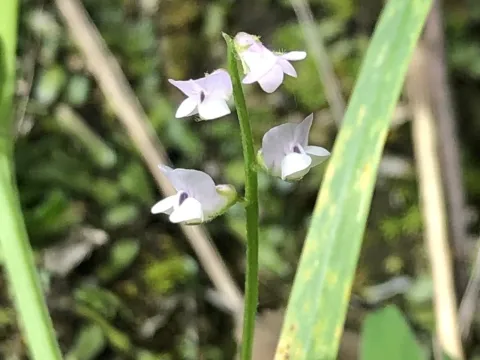
Two-seeded vetch
Vicia disperma
Two-seeded vetch (Vicia disperma) is an annual legume species belonging to the Fabaceae family. It is typically sown in early spring as soon as the soil is dry enough for tillage operations.
What the section contains
Two-seeded vetch
The optimal germination temperature for this crop is between +5°C and +8°C. Planting early allows the plants to establish well, taking full advantage of the winter moisture reserves in the soil.
Seeding rates are adjusted based on the end goal, such as forage production, seed harvest, or use as a cover crop. Standard cereal grain drills are effective for planting this legume.
The depth of sowing ranges from 3 to 6 cm depending on soil texture. Lighter soils require deeper planting to ensure sufficient moisture for seeds, while heavier soils allow for shallower placement.
A well-prepared seedbed is essential for achieving uniform emergence. The crop exhibits rapid early growth, which helps in suppressing weeds and establishing a dense canopy quickly.
This crop thrives in temperate climates and prefers regions with adequate annual rainfall. It shows good resistance to light frosts, which is beneficial in areas with unpredictable spring weather.
The species performs best in neutral to slightly acidic soils with good aeration. It is sensitive to waterlogging and soil compaction, so fields should be well-drained to ensure healthy root development.
Soil fertility is important, particularly the availability of phosphorus and potassium, which support nitrogen fixation and overall plant health. Liming may be necessary on highly acidic soils.
Sunlight exposure is crucial during the budding and flowering stages for maximum biomass accumulation. The plant requires moderate solar radiation to reach its full development potential.
It is often used in crop rotation following cereals. As a nitrogen-fixing legume, it leaves the soil enriched for the subsequent crop, reducing the need for chemical fertilizers.
The yield of green biomass depends on management practices and soil fertility. Under optimal conditions, Vicia disperma produces a high-quality forage rich in protein and essential nutrients.
Seed yields can vary by season, but the crop generally demonstrates reliable production. Proper management of soil nutrient balance, particularly avoiding excessive nitrogen, helps maintain high yields.
Integrated fertilizer application, focusing on P and K, significantly boosts both biomass and seed production. The plant's ability to fix nitrogen minimizes the need for external nitrogen inputs.
Optimizing plant density is key to avoiding issues like lodging, which can happen if the crop is too dense and stems become too thin to support the plant's weight.
Intercropping with cereals provides physical support for the vetch, reducing lodging and improving overall harvest efficiency while maximizing the use of space in the field.
Common pests include weevils that target young seedlings. Early scouting and necessary interventions are crucial to prevent significant damage during the crop's establishment phase.
Fungal diseases like anthracnose or leaf spots are typical under conditions of high humidity and poor air circulation. Crop rotation is a primary strategy for mitigating these risks.
Seed treatments with fungicides are recommended to prevent soil-borne diseases. Keeping fields free from weeds also reduces the presence of alternative hosts for various pests.
Lodging during the ripening stage creates a moist microclimate at the soil level, which can promote mold growth on pods, significantly reducing seed quality and harvestable yield.
Regular field monitoring helps in identifying early signs of infection or infestation, allowing for timely and targeted application of plant protection measures if required.
For forage production, the crop should be harvested during full flowering. This timing ensures the highest nutritional value and palatability for livestock feed.
Haymaking requires quick drying of the harvested biomass to retain the protein-rich foliage. Advanced mowing and conditioning machinery help minimize losses during this process.
Seed harvest is performed when pods turn brown and seeds harden. Combines should be carefully adjusted to prevent mechanical damage to the seeds during the threshing process.
A two-stage harvesting method—cutting into swaths followed by picking up—is often preferred if maturation is uneven across the field, minimizing losses due to shattering.
Post-harvest conditioning involves cleaning and drying the seeds to a moisture level of 14-15% to ensure safety and longevity during storage in silos or granaries.