
Trigonella procumbens
Trigonella procumbens
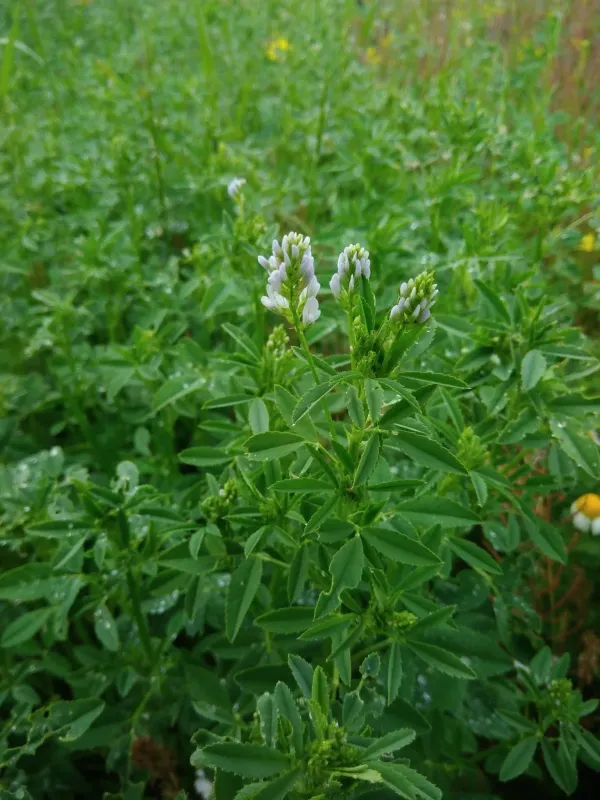
Description
Sowing dates
Trigonella procumbens, commonly known as trailing fenugreek, belongs to the Fabaceae family. As an annual herb, it is typically sown in early spring once soil temperatures reach a stable 8–10 degrees Celsius.
The optimal planting window is generally during April or May, depending on the specific climate zone. Seeds should be sown in rows, with a spacing of approximately 30–40 cm to allow for sufficient airflow and weed control.
Seeds are planted at a shallow depth of 1.5–2 centimeters. Proper seed-to-soil contact is essential for germination, so rolling the field immediately after sowing is recommended to ensure even and uniform emergence.
Seeding rates typically range from 10 to 15 kg per hectare, depending on seed quality and purity. Using certified, high-germination seeds is critical to achieving a successful plant stand from the very beginning of the season.
Winter sowing is also possible in milder climates, allowing the plants to start growth early in the spring, which provides a competitive advantage and a potential head start on weed suppression.
Growing requirements
This crop thrives in well-lit, sunny areas as it requires high light intensity for optimal development of its vegetative mass and essential oil concentration. Shade can significantly stunt growth and lower product quality.
Trigonella procumbens prefers light, well-draining loam or sandy soil with a neutral to slightly alkaline pH. Acidic soils should be corrected with lime application before sowing to ensure optimal nutrient availability and bacterial activity.
While the plant exhibits moderate drought tolerance, it requires consistent moisture during critical growth phases, particularly during flowering and pod development. Waterlogging must be avoided to prevent root diseases.
Good soil structure and oxygen availability are key to the growth of this legume. It is sensitive to weed competition during the early stages of its development, making early mechanical weeding an essential practice.
Fertilization should prioritize phosphorus and potassium, which can be applied in the fall. Nitrogen fertilization should be kept minimal, as the crop can fix atmospheric nitrogen through its symbiotic relationship with root bacteria.
Yield
Trigonella procumbens is cultivated for both its protein-rich green mass and its seeds. Under optimal conditions and proper irrigation, green mass yields can reach 150–200 centners per hectare.
The crop is highly valued for its aromatic seeds, used in food and pharmaceutical industries. Seed yields typically range from 8 to 15 centners per hectare, depending on local soil conditions and farming technology.
Used as a green manure or cover crop, it improves soil structure and boosts nitrogen levels for subsequent crops. Its rapid decomposition makes it a highly efficient contributor to sustainable farming systems.
The green foliage is also used as high-quality livestock fodder. It is rich in minerals and beneficial nutrients, contributing to animal health and improved digestive functions when included in feed rations.
Overall productivity is closely linked to plant density and management of the crop cycle. Precise monitoring and timely intervention during the growing season ensure maximum yield for both green matter and harvested seeds.
Main diseases and pests
The main threats to the crop include fungal infections such as powdery mildew and root rot, which are often exacerbated by high humidity, poor soil drainage, and excessive plant density in the field.
Pests like the pea leaf weevil can cause significant damage to young seedlings. Aphids are also common threats, feeding on leaves and potentially transmitting viral diseases, which can weaken the plant and reduce total output.
Proactive prevention involves strict adherence to crop rotation, avoiding planting legumes on the same field for at least 3–4 years. This breaks the lifecycle of soil-borne pathogens and minimizes pest buildup.
Field sanitation is a vital part of pest management. Keeping the surrounding area free of weeds reduces the reservoirs for insects and pathogens, thereby limiting the need for chemical control measures.
Post-harvest storage requires careful humidity monitoring to prevent mold growth on seeds. Using quality seed dressings before planting is an effective way to protect against early soil-borne fungal threats.
Harvesting
Seed harvest should commence when the pods turn yellow or brown. It is crucial to monitor the field closely, as delayed harvesting leads to significant losses due to pod shattering and grain scattering on the field.
Mechanical harvesting often utilizes combine harvesters set to low drum speeds to avoid damaging the delicate seeds. Two-stage harvesting—cutting and windrowing followed by threshing—is often the preferred method.
For green mass or pharmaceutical harvesting, collection occurs during the full bloom phase. At this stage, the plant reaches its peak concentration of essential oils and other active botanical compounds.
After threshing, seeds must be cleaned and dried to a moisture content of 12–14%. Proper drying ensures long-term storage stability without a loss in viability or aromatic quality for further processing.
Remaining vegetative biomass after harvest should be incorporated into the soil as organic matter. This practice enriches the field with nitrogen and improves the physical structure of the soil for the next season.