
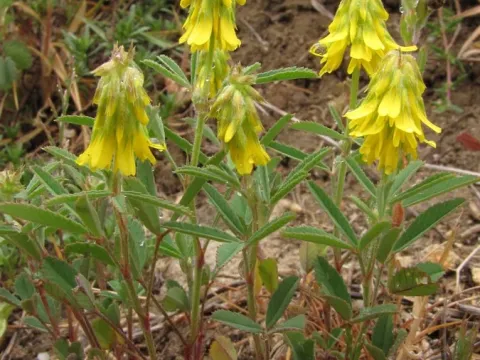
Trigonella spicata
Trigonella spicata
Trigonella spicata is an annual leguminous plant that thrives in temperate climates. Sowing typically begins in early spring, once the soil has warmed sufficiently, ensuring the plants establish a strong root system before the onset of summer heat.
What the section contains
Trigonella spicata
The recommended planting depth is shallow, usually between 2 and 3 centimeters. Proper soil contact is essential for uniform germination, and using a light roller after sowing can significantly improve emergence rates.
Row spacing should be managed to allow for adequate airflow and weed control. Typically, a distance of 15 to 20 centimeters between rows provides the ideal balance for optimal canopy development.
Seedbed preparation should focus on creating a fine, weed-free tilth. Because the seeds are relatively small, avoiding deep burial is crucial to ensure the hypocotyl can break through the soil surface efficiently.
In regions with mild winters, some growers explore late autumn sowing to leverage winter moisture, though this depends heavily on local frost severity and winter temperatures.
This crop prefers well-drained, fertile soil with a neutral to slightly alkaline pH level. It performs poorly in waterlogged soils, which can lead to root diseases and stunted growth.
Sunshine is a major factor in the successful cultivation of Trigonella spicata. The plants require high light intensity to maximize the production of aromatic compounds and biomass.
While the plant is moderately drought-tolerant once established, supplemental irrigation during the seedling and flowering stages can greatly increase the total yield of forage mass.
Soil nutrient management is relatively straightforward as the plant participates in nitrogen fixation. A balanced supply of phosphorus and potassium is typically sufficient to support healthy, vigorous growth.
Effective drainage is perhaps the most critical physical requirement. Farmers should avoid fields prone to ponding, as even short periods of saturation can drastically affect the health of the root nodule bacteria.
Yield metrics for Trigonella spicata depend largely on the harvest stage and soil fertility. Forage production peaks at the onset of flowering, providing a high-protein harvest for livestock feed.
Seed yield varies depending on pollination success. Maintaining healthy insect populations in and around the field is vital for consistent seed production and higher yields per hectare.
By optimizing the planting density and ensuring minimal weed competition, growers can significantly push the upper limits of biomass production in a single growing season.
The economic value of this crop is further enhanced by its role as a soil improver. After harvest, the root residues contribute organic nitrogen back to the soil, benefiting subsequent crops.
Data from various regions suggests that with proper management, this species can be a stable and profitable component of an integrated farm operation, provided the market demand for forage or seed is met.
Fungal pathogens such as powdery mildew and various root rots represent the most common biological threats to this crop. These are often exacerbated by poor air circulation or extended periods of high humidity.
Insect pests, including aphids and leaf-eating beetles, can cause significant damage during the early stages of vegetation. Monitoring the fields consistently is necessary to trigger timely intervention.
Weed control is essential, particularly in the first few weeks after emergence. Once the plants form a closed canopy, they are generally more capable of outcompeting weeds for light and space.
Integrated Pest Management (IPM) practices, including crop rotation and the use of resistant varieties, are highly recommended to reduce reliance on chemical inputs.
Producers should maintain strict hygiene in storage and field equipment to prevent the build-up of soil-borne pathogens that could carry over from one season to the next.
Harvesting for green forage is typically conducted just as the plants enter their full bloom phase. Using mowers adjusted to the correct height ensures a clean cut and promotes secondary growth if intended.
Seed harvesting requires careful timing to prevent shattering. The crop should be cut when the pods turn color and become firm, usually before they fully dry out and open on the plant.
Post-harvest handling involves drying the material to an appropriate moisture content to prevent spoilage. Proper storage conditions are vital to maintain the viability of seeds for future planting.
Threshing operations should be calibrated to minimize mechanical impact on the seeds. Clean seeds should be stored in cool, low-humidity environments to ensure long-term shelf life.
Agricultural cooperatives often assist in the final processing of the seed, ensuring that it meets industry standards for purity and germination percentage before it enters the market.