
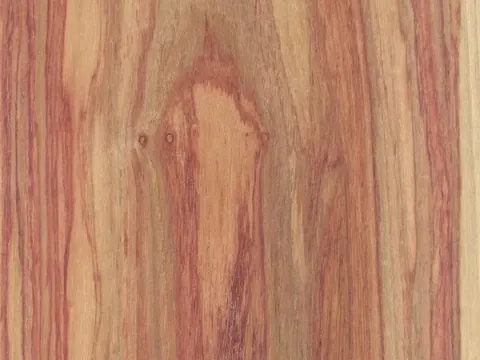
Tulipwood
Dalbergia decipularis
Dalbergia decipularis, commonly known as Brazilian Tulipwood, belongs to the Fabaceae family. This tree is endemic to the tropical rainforests of Brazil. It is a slow-growing species adapted to humid, high-temperature environments, requiring stable climatic conditions to reach maturity.
What the section contains
Tulipwood
The tree thrives in well-drained, nutrient-rich soils characteristic of the Atlantic Forest biomes. Proper soil structure is essential for root development, and the species relies on the organic layer of the forest floor for consistent access to minerals and hydration.
Botanically, Dalbergia decipularis is a small to medium-sized tree. It features pinnate leaves and a relatively slow growth rate, which contributes to the density and distinctive aesthetic qualities of its heartwood. The wood is celebrated for its rose-colored streaks and fine, straight grain.
Environmental requirements include high annual rainfall and protection from extreme thermal fluctuations. In controlled propagation settings, the species requires shaded nursery conditions during the juvenile phase to simulate the canopy-protected understory of its native habitat.
The primary economic use is the extraction of premium hardwood. Due to its striking appearance and durability, it is highly sought after by luthiers for instrument parts and by artisans for luxury marquetry, furniture inlay, and high-end decorative objects.
The conservation status of Dalbergia decipularis is a major concern due to habitat loss. Deforestation for agriculture and illegal logging operations have severely fragmented the natural population, making the species vulnerable to local extinction.
The tree is susceptible to various fungal pathogens that flourish in tropical environments. These pathogens often infiltrate the tree through wounds in the bark caused by mechanical damage or insect activity, leading to internal wood decay and reduced structural integrity.
Insect pests, particularly borers and wood-destroying beetles, represent a significant threat. These organisms can compromise the quality of the timber, making it commercially unviable and putting the tree's overall health at risk if the infestation is widespread.
Invasive plant species pose an additional threat to young saplings, as they outcompete the slow-growing Dalbergia for light and soil nutrients. This ecological pressure significantly hampers natural forest regeneration in disturbed areas.
Sustainable management practices, including the establishment of protected zones and rigorous monitoring, are essential for the survival of the species. Silvicultural efforts must focus on maintaining genetic diversity and controlling pests through non-invasive integrated management strategies.