
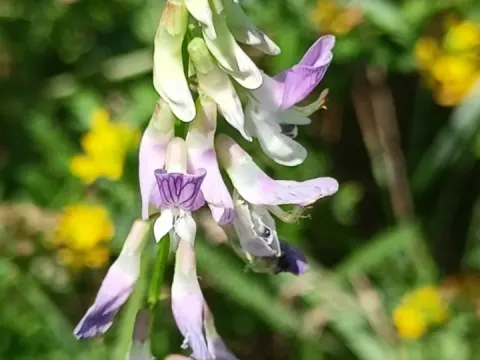
Biennial vetch
Vicia biennis
Biennial vetch is typically sown in early spring as soon as the soil warms up to 5-8 degrees Celsius. Seeds are planted at a depth of 3 to 5 centimeters depending on the soil texture to ensure good germination.
What the section contains
Biennial vetch
Late autumn sowing is also practiced in certain regions, allowing the crop to capitalize on early spring moisture. A standard seeding rate ranges from 120 to 150 kilograms per hectare for dense stands.
When used as a green manure, sowing can occur in late summer following cereal harvests. This practice effectively improves soil nitrogen levels for the upcoming planting season.
The crop establishes relatively quickly if soil moisture is sufficient, with seedlings emerging within two weeks. Proper soil compaction after sowing helps ensure good seed-to-soil contact.
Seed production requires strict spatial isolation to maintain genetic purity and prevent cross-pollination with other vetch species. A distance of at least 500 meters is recommended for high-quality harvests.
Biennial vetch belongs to the Fabaceae family and is highly valued for its adaptability. It thrives in temperate climates and demonstrates excellent cold tolerance during winter months.
The plant prefers fertile loamy or sandy soils with a neutral pH level. Liming is often required in acidic soils to provide an optimal environment for root development and nitrogen fixation.
Waterlogged soils should be avoided, as the plant does not tolerate standing water well. Adequate drainage is essential for maintaining plant vigor and preventing root-related issues.
Symbiotic relationships with rhizobia bacteria are vital for nitrogen fixation. Inoculating seeds before planting is a recommended practice to ensure maximum biological nitrogen production.
While biennial vetch prefers sunny locations, it can tolerate partial shade. Its competitive growth habit allows it to suppress common weeds effectively once the crop has become established.
Green biomass yields of biennial vetch can range from 150 to 250 quintals per hectare under good management. Phosphorus and potassium fertilization significantly boost biomass production.
Seed yields typically range from 8 to 15 quintals per hectare. Monitoring pod maturity is essential to minimize shattering losses and ensure efficient harvesting of the crop.
The high protein content makes this crop an excellent forage choice for livestock. Its nutritional value remains high through the flowering stage, providing quality nutrition for animals.
As a cover crop, it contributes significantly to soil health by fixing between 60 and 90 kilograms of nitrogen per hectare. This natural fertilization reduces the need for synthetic inputs.
Management practices, particularly weed control in the early vegetative stages, are key to achieving high yields. Effective management leads to a more consistent and productive forage supply.
Major pests include pea aphids and root nodule weevils, which can damage seedlings. Integrated pest management strategies, including timely insecticide use, are essential during infestation peaks.
Fungal diseases like Ascochyta blight and anthracnose can be problematic in high-humidity conditions. Using disease-resistant varieties and certified seeds is the primary line of defense.
Root rots may develop in poorly drained or overly compacted soils. Maintaining good soil structure and proper crop rotation cycles are critical for disease prevention and mitigation.
Powdery mildew can occur in the latter half of the season, especially during hot and dry spells. Early harvesting for forage is a successful strategy to prevent further disease progression.
Maintaining a balanced ecosystem on the farm encourages beneficial insects, which can help manage pest populations naturally. Chemical interventions should be used judiciously as a last resort.
The best time to harvest for green forage is at the beginning of the flowering phase. This is when the plant reaches its peak nutritional quality, offering the best balance of proteins and fibers.
For hay production, careful handling is necessary to preserve the delicate leaves, which hold the highest nutrient concentration. Proper drying methods ensure long-term forage quality.
Seed harvesting should occur when pods turn brown and moisture levels drop to approximately 18 percent. Modern combine harvesters are effective for direct harvesting of mature seeds.
Swathing is recommended if the field exhibits uneven maturity or significant weed pressure. This allows the crop to dry uniformly before final processing and threshing.
Post-harvest storage requires cleaned and dried seeds with a moisture content of no more than 14 percent. Proper ventilation in storage facilities is vital to maintain viability over time.