


Reference · Crops
Bean
Phaseolus
Beans are warm-season crops that require soil temperatures of at least 12–15°C to germinate successfully, typically planted after the last frost.
5
items
What the section contains
Marketplace
Products in this section · 12




Bean
The timing of sowing is critical; planting too early in cold, damp soil will likely cause the seeds to rot before they have a chance to emerge.
For shorter growing seasons, growers should opt for early-maturing varieties to ensure the crop completes its lifecycle before the first autumn cold snap.
Seeds are typically sown at a depth of 3–6 cm, depending on soil texture, to allow for optimal seedling emergence and root establishment.
Uniform planting depth ensures synchronized germination, which facilitates standardized maintenance practices throughout the entire vegetative period.
The genus Phaseolus belongs to the Fabaceae family and is native to the Americas, thriving best in warm, temperate to tropical climates.
Beans prefer well-drained, fertile soil with a neutral pH, as they are sensitive to both waterlogging and excessively acidic or alkaline soil conditions.
The plant is highly responsive to full sun exposure, requiring at least 6–8 hours of direct light daily to support vigorous growth and pod development.
A key biological feature of beans is their ability to fix atmospheric nitrogen via a symbiotic relationship with Rhizobium bacteria located in root nodules.
Proper air circulation is essential for the crop to prevent humidity-related issues, making row spacing and weed control vital aspects of field management.
The yield potential of beans is heavily influenced by the chosen variety, planting density, and the availability of water during the critical flowering stage.
Bush bean varieties are favored for mechanical harvesting, while pole beans offer higher vertical productivity and prolonged harvest windows.
Effective water management during the pod-filling phase significantly increases both the total weight of the harvest and the quality of the individual seeds.
Yields can be maximized by ensuring the soil is rich in organic matter and by applying phosphorus and potassium fertilizers based on soil testing results.
Crop rotation plays a significant role in maintaining yield, as it helps break pest cycles and ensures the soil remains balanced in essential nutrients.
Common pathological threats include anthracnose, bacterial blight, and powdery mildew, often exacerbated by high humidity and poor field drainage.
Insect pests such as bean weevils, aphids, and spider mites pose serious risks, particularly in warm, arid conditions that favor rapid population growth.
Integrated Pest Management (IPM) strategies, including the use of certified disease-free seeds and proper spacing, are essential for mitigation.
Sanitation practices, such as removing crop debris after harvest, prevent the overwintering of pathogens and reduce the pressure for the following season.
Regular scouting and early intervention with biological or chemical treatments are necessary to prevent localized infestations from becoming widespread.
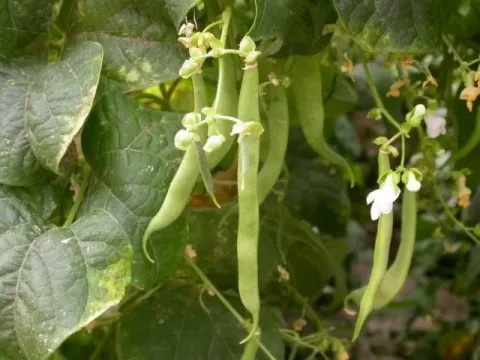
Green bean harvesting occurs while the pods are young, tender, and snapping easily, usually within 10–12 days of successful flower pollination.
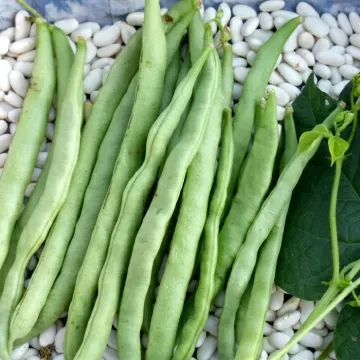
Dry bean harvesting is undertaken once the plants have withered and the pods have become brittle and fully desiccated, indicating full maturity.
It is crucial to time the harvest to avoid excessive rainfall, which can lead to staining, pre-harvest sprouting, and the development of mold on seeds.
Post-harvest processing involves threshing and cleaning, followed by drying the beans to a moisture content of 14% to ensure long-term storage stability.
Properly dried beans should be stored in cool, dry, and dark conditions to prevent rancidity and ensure high germination rates for future seasons.