
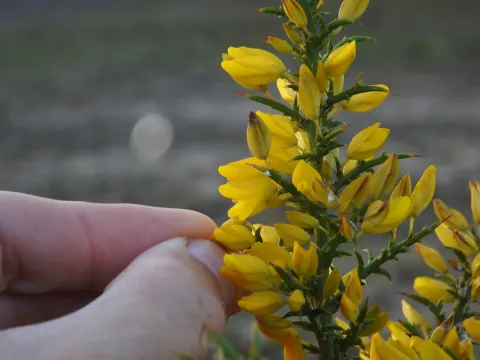
Southern gorse
Ulex australis
Southern gorse (Ulex australis) is a hardy, evergreen, spiny shrub belonging to the Fabaceae family. It is native to the Mediterranean region and parts of Southwestern Europe, flourishing in dry, sunny, and harsh environments.
What the section contains
Southern gorse
This species is highly adapted to arid conditions, exhibiting xerophytic traits such as modified leaves that act as spines to reduce water loss. Its root system is exceptionally strong, allowing the plant to thrive on poor, rocky, and skeletal soils where other crops struggle.
In terms of agricultural and environmental utility, Southern gorse is valued for its nitrogen-fixing capabilities. By hosting symbiotic bacteria in its roots, it enriches the soil, making it a useful component for land reclamation and soil stabilization projects.
Successful cultivation requires full sun exposure and excellent drainage. The plant cannot tolerate waterlogged soils, which lead to immediate physiological stress and root rot. It prefers acidic to neutral pH levels in well-aerated substrates.
In landscape management, it is often utilized to create impenetrable hedges and borders. Due to its dense, prickly structure, it serves as a natural barrier while also providing habitat for specific wildlife and beneficial insects.
The primary threat to the health of Southern gorse is moisture-related disease, specifically root rot caused by fungal pathogens in heavy or stagnant soils. Good drainage is the most effective preventative measure against these infections.
In terms of pests, the plant may suffer from infestations of aphids or spider mites, which typically target new, tender growth during the early growing season. Monitoring and sanitation are key to preventing large-scale damage.
Another significant risk factor is fire susceptibility. The presence of flammable essential oils in the foliage means that dry conditions combined with poor maintenance can lead to rapid fire spread in dense populations.
Seed-feeding insects, such as certain types of weevils, can significantly reduce the viability of seed crops, which is a major consideration for nurseries that propagate this species from seeds.
Integrated pest management strategies are recommended to maintain plant vigor. Avoid excessive nitrogen fertilization, as it may promote overly succulent growth that is more attractive to pests and less resilient to environmental stress.