
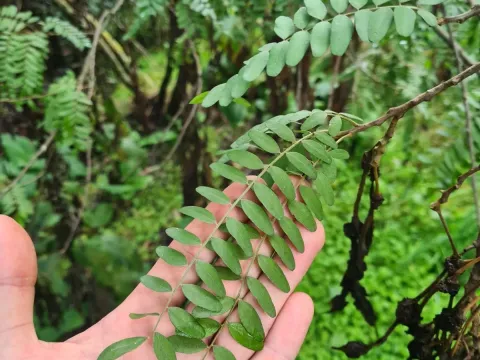
Sophora tetraptera
Sophora tetraptera
Sophora tetraptera is a member of the Fabaceae family, often recognized for its distinct yellow pendulous flowers and architectural form.
What the section contains
Sophora tetraptera
The seeds have a hard seed coat and require scarification or soaking in warm water for several hours before sowing to promote even germination.
Propagation is most successful in early spring, using a light, well-draining potting medium in a protected environment or nursery container.
Seeds should be sown at a shallow depth of about one centimeter, ensuring they are kept consistently moist but not waterlogged during the initial growth phase.
Once seedlings have reached a sufficient size, they are hardened off before being transplanted to their final location in the garden or field.
The species thrives in full sun, which is essential for stimulating flower production and maintaining a healthy, dense growth habit.
Soil should be fertile and well-drained, as the root system of the plant is sensitive to anaerobic conditions caused by prolonged waterlogging.
While the tree is relatively tolerant to various conditions once established, it prefers protection from harsh, drying winds that can damage the delicate foliage.
Regular irrigation is needed during the first two seasons of growth, after which the tree becomes more resilient to moderate drought conditions.
A balanced fertilization program applied in the early growing season helps maintain vigorous health and supports consistent yearly blooming.
Sophora tetraptera is primarily valued for its significant ornamental appeal in landscape design and its potential use in traditional botanical medicine.
In specialized cultivation, the focus is on harvesting the blooms at their peak, as they contain compounds of interest for the pharmaceutical industry.
The yield of medicinal material depends heavily on the tree's health, age, and exposure to light, which dictates the intensity of the flowering cycle.
Beyond flowers, the wood of this genus is exceptionally dense and durable, sometimes used for crafting high-quality wooden items and tools.
Consistent pruning of dead or crossing branches promotes better airflow and light penetration, which in turn maximizes the tree's productive capacity.
Common pests include aphids, which tend to congregate on the tender young growth during the spring, potentially stunting the development of new leaves.
Fungal issues, particularly powdery mildew, can appear in environments with poor air circulation or consistently high humidity levels around the canopy.
Scale insects represent a significant threat to the bark and branches, often requiring systematic removal or targeted horticultural oil treatments.
Root rot is the most serious threat, usually associated with poorly drained soils or excessive irrigation that prevents oxygen from reaching the roots.
Integrated pest management, including regular inspection and the use of natural predators, is recommended to keep the tree in optimal health.