
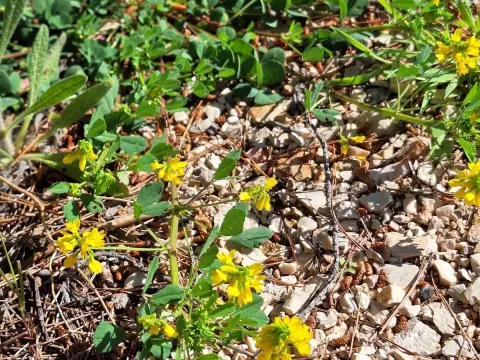
Fenugreek
Trigonella esculenta
Fenugreek is a fast-growing annual legume that is typically sown in early spring as soon as the soil has warmed up to at least 10–12°C.
What the section contains
Fenugreek
Seeds should be planted at a depth of 2 to 3 centimeters in rows spaced approximately 20–30 centimeters apart to ensure adequate space for development.
The germination process is relatively rapid if the soil is kept consistently moist, with seedlings emerging within 7 to 10 days of the initial sowing date.
For home or professional production, staggered planting every two weeks is recommended to maintain a steady supply of fresh green leaves throughout the season.
Proper seedbed preparation is essential; the soil should be loose and friable to allow the delicate taproot system to penetrate and establish quickly.
This crop thrives in sunny locations with well-drained, fertile soil that maintains a neutral to slightly alkaline pH for optimal nutrient uptake.
While fenugreek exhibits moderate drought tolerance once established, it requires regular irrigation during the vegetative stage to produce high-quality foliage.
Excessive humidity or waterlogging must be avoided, as the plant is highly susceptible to root damage and fungal proliferation in poorly drained soils.
Nitrogen-fixing bacteria in the soil generally support the plant's growth, but moderate fertilization with organic matter can significantly boost overall yields.
Wind protection is beneficial in open field cultivation, as strong winds can cause lodging or damage to the sensitive stems during the flowering stage.
Powdery mildew is a common fungal disease that affects fenugreek crops, particularly in areas with high humidity, poor air circulation, or dense planting.
Root rot caused by soil-borne pathogens can occur if fields are chronically waterlogged, leading to yellowing, wilting, and premature plant death.
Common insect pests include aphids and spider mites, which can cause significant damage to the foliage and affect the aromatic quality of the herb.
Practicing strict crop rotation, such as avoiding planting legumes in the same plot for at least three years, is the best preventive measure against soil diseases.
Monitoring for signs of infestation and applying targeted biological controls helps maintain the health of the crop without relying on heavy pesticides.
The harvesting of fenugreek leaves should ideally take place just before the onset of flowering, when the foliage is most tender and fragrant.
For seed production, the plants are harvested once the pods have turned a mature yellow or brown, indicating that the seeds inside are fully developed.
Manual harvesting is common for smaller plots, while mechanical harvesting is used in larger commercial fields, ensuring low moisture content during the process.
Care must be taken during the drying process to keep the harvest out of direct sunlight, which helps preserve the essential oils and flavor profiles.
Once dried, the product should be stored in airtight containers in a cool, dark environment to maintain its culinary and medicinal potency for months.