
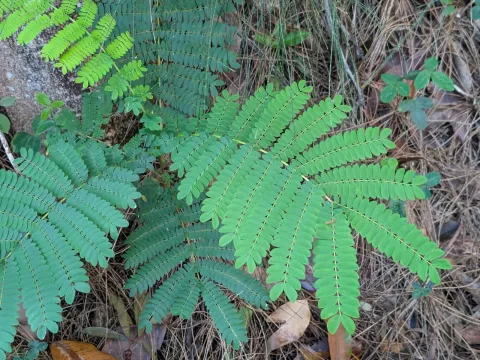
Falcataria falcata
Falcataria falcata
Falcataria falcata, commonly known as the Moluccan albizia, is a species of flowering tree in the pea family, Fabaceae. It is globally recognized for its exceptional growth rate, which allows for short rotation cycles in industrial timber production.
What the section contains
Falcataria falcata
The tree is native to the tropical forests of Southeast Asia and Oceania. It thrives in hot, humid climates with high annual precipitation. Due to its tropical origins, it lacks cold tolerance and is exclusively cultivated in warm environments.
Regarding soil requirements, the tree is highly adaptable. As a nitrogen-fixing species, it significantly improves soil nitrogen levels, serving as an excellent candidate for land reclamation and agroforestry systems in degraded areas.
Botanically, it features bipinnate leaves and a canopy that spreads widely, providing significant shade. It is a heliophilous species, meaning it requires full sunlight to achieve maximum growth potential and biomass production.
Its timber is highly valued in international markets for being lightweight and easy to work with. It is widely used in the manufacturing of furniture components, plywood, and light construction materials due to its soft texture.
The most significant pathological threats include gall rust disease and various root rots. These are often exacerbated by planting in poorly drained soils or in areas with high humidity that lack sufficient airflow.
Pests such as stem borers and leaf-eating beetles can cause substantial damage to young stands. Effective management requires regular monitoring and maintaining proper spacing between trees to prevent the rapid spread of infestations.