
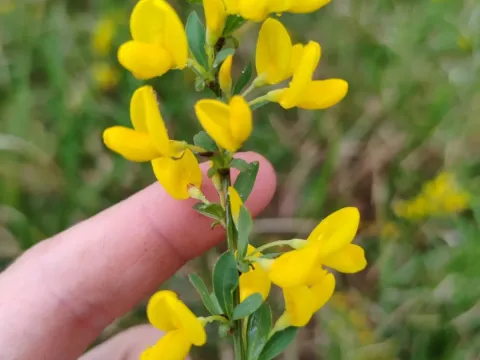
False-procumbent broom
Cytisus pseudoprocumbens
Cytisus pseudoprocumbens, commonly known as the false-procumbent broom, is a prostrate deciduous shrub belonging to the Fabaceae family. Its low growth habit makes it an excellent candidate for rock gardens and ground cover applications.
What the section contains
False-procumbent broom
Native to the mountainous regions of Europe, this plant has adapted to harsh environmental conditions. It thrives in open, sunny locations where it can receive the necessary energy to sustain its characteristic dense, flowering canopy.
Soil requirements for this species are specific: it strictly demands well-drained, sandy, or rocky soil. The plant is highly intolerant of waterlogged conditions, which can lead to rapid root decay and plant mortality.
Regarding climate, the plant prefers temperate conditions with good ventilation. While it is hardy in many European zones, young plants may require protection during extreme winter frosts to prevent stem damage.
Agrotechnical care includes minimal fertilization, as this species is adapted to nutrient-poor soils. Excessive nitrogen can lead to excessive green growth at the expense of flowering, which should be avoided for the best ornamental results.
The false-procumbent broom is susceptible to various fungal pathogens, particularly in regions with high humidity. Powdery mildew is the most prevalent issue, causing white spots and eventual foliage distortion.
Root rot, specifically caused by Phytophthora species, poses a significant threat if drainage is inadequate. Managing water supply is the primary preventive measure against this lethal soil-borne disease.
Insect pests such as spider mites and aphids can become a nuisance during hot, dry summer months. These pests sap the vitality of the plant and should be managed with targeted botanical oils or soaps.
Periodic pruning is essential not only for aesthetics but also to reduce the risk of infection by improving airflow throughout the plant structure. Removing dead or diseased branches is a standard practice.
Integrated pest management, including monitoring and maintaining soil health, ensures the long-term vigor of Cytisus pseudoprocumbens in landscaping and ornamental projects.