
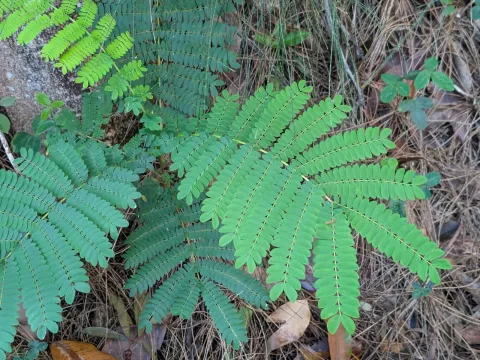
Falcataria
Falcataria
Falcataria (Falcataria moluccana) is a prominent fast-growing tree belonging to the Fabaceae family. Native to the tropical regions of Southeast Asia, it is recognized globally for its exceptional biomass production rates.
What the section contains

Falcataria
The species requires a tropical climate with high temperatures and consistent rainfall throughout the year. It lacks cold tolerance and should never be planted in regions susceptible to frost or prolonged cool spells.
Well-drained, deep soils with a slightly acidic to neutral pH are ideal for its development. The tree thrives in various soil types, partly due to its ability to fix atmospheric nitrogen through root nodule symbiosis.
As a light-demanding species, Falcataria requires full exposure to sunlight. Proper spacing is essential to ensure that trees do not shade each other, which would otherwise result in thin stems and slower growth.
High humidity and consistent moisture availability are crucial for young plantations. While mature trees are somewhat resilient, younger specimens rely on optimal moisture levels to establish a strong root system.
Seeds must be pre-treated before sowing to break their dormancy. Hot water immersion or manual scarification of the seed coat is recommended to facilitate rapid germination and ensure uniformity.
Sowing usually takes place in nursery containers to provide young plants with a protected environment. This allows for rigorous selection of healthy seedlings before the final out-planting process begins.
Transplanting into the field should occur during the onset of the rainy season to minimize water stress. Trees should be handled carefully to avoid disturbing the root system, which can cause significant setbacks.
A standard planting density is typically 3x3 meters, though this can be adjusted based on specific management goals. Sufficient spacing promotes straighter trunk formation and higher wood quality.
Regular maintenance during the establishment phase, including weed control and monitoring for early signs of disease, is critical to ensuring the long-term success of the plantation.
The most significant threat to Falcataria is the gall rust fungus, Uromycladium falcatarium. This pathogen can cause severe damage, leading to heavy losses in productivity and, in extreme cases, total stand failure.
Insect pests such as wood borers can compromise the structural integrity of the timber. These pests thrive in stressed or poorly managed plantations where trees are susceptible to environmental factors.
Termites may pose a risk to younger trees, particularly in regions prone to drought. Proper site preparation and soil management are essential to minimizing the impact of these common tropical pests.
Root rot diseases are prevalent in areas with inadequate soil drainage. Over-saturation creates an environment that favors pathogen growth, directly affecting the health and vitality of the stand.
Implementation of integrated pest management strategies is recommended. This includes thinning dense stands, removing infected plant materials, and selecting resistant stock for future propagation.
Commercial harvesting is typically conducted between 7 and 12 years of age. By this time, the timber has reached an optimal size for various industrial applications, including plywood and light construction.
The wood is known for being lightweight and relatively soft, making it highly suitable for processing into pulp or paper products. Efficient transport and logistics are key to the economic success of the harvest.
During harvesting operations, careful attention should be paid to safety and environmental standards. Removing branches and leaving debris on the site can help contribute to organic matter recycling.
Some plantations employ short-rotation forestry, where the trees are harvested and the site is replanted. This strategy maintains high productivity and benefits from the soil-enriching properties of the legumes.
Sustainable harvesting practices ensure that the land remains productive for future cycles. Proper management of the harvested area helps prevent soil erosion and promotes a healthy ecosystem transition.