
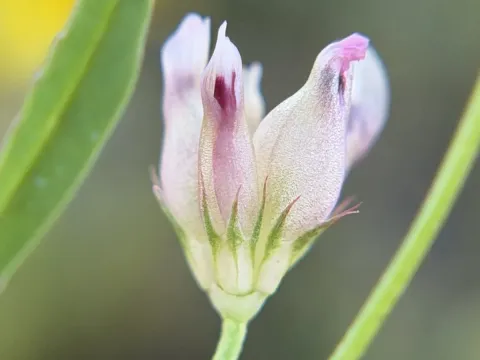
Depauperate clover
Trifolium depauperatum
Depauperate clover (Trifolium depauperatum) is an annual herb within the Fabaceae family, native primarily to western North America. It is characterized by its ability to thrive in specific ecological niches, often found in seasonal wetlands or areas with periodic moisture.
What the section contains
Depauperate clover
The crop prefers clayey or loamy soils that possess a high water-holding capacity during the early spring season. Like many legumes, it acts as a nitrogen fixer, significantly enhancing soil nutrient profiles through symbiotic associations with soil bacteria.
Botanically, this species is defined by its small, dense flower heads which typically range in color from pale pink to violet-red. The stems are usually spreading or decumbent, providing a dense mat of vegetation that helps protect the soil surface from erosion.
Climatic requirements involve a Mediterranean-like regime with wet winters and spring growth periods followed by dry, warm summers for seed development. It shows significant resilience to variable temperatures during the critical vegetative growth phase.
Agricultural use centers on its application in pasture renovation and as a nitrogen-fixing cover crop. Its versatility allows it to adapt to diverse management systems, provided that moisture levels are sufficient to support its early growth cycle.
Fungal pathogens such as powdery mildew represent a significant threat to crop health, especially under high humidity and poor ventilation. Proper seed spacing is recommended to reduce micro-climate humidity that favors fungal proliferation.
Root-feeding insects, specifically clover root curculio, pose a major risk to the plant's ability to fix nitrogen and survive stress. Integrated pest management practices are essential to keep populations below economic injury levels.
Anthracnose may occur, manifesting as dark lesions on the stems which reduce overall forage quality and biomass production. Farmers should monitor fields regularly for signs of distress and maintain good hygiene in farm machinery to prevent disease spread.
Aphid infestations are frequently noted during the blooming stage, which can diminish the success of seed set. Biological control methods are preferred to maintain the health of beneficial insects that assist in the pollination of this clover species.
Competitive weeds represent the most significant threat to establishing a healthy stand. Early-season weed control is crucial for ensuring the clover has access to sunlight and soil nutrients necessary for rapid colonization of the target area.