
Delonix
Delonix
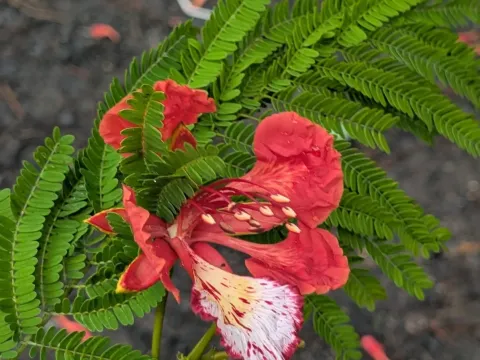
Delonix (Latin: Delonix) is a genus of flowering trees in the pea family, Fabaceae. Originating from Madagascar, this genus is renowned for its spectacular floral displays, particularly the Delonix regia, commonly known as the royal poinciana or flame tree.
What the section contains


Delonix
This crop requires a tropical or subtropical climate to thrive, demanding significant amounts of sunlight to sustain its rapid growth rate and abundant blooming. The tree is highly sensitive to frost, making it suitable only for regions where temperatures remain consistently above freezing throughout the year.
The soil requirements for Delonix focus primarily on drainage. The species prefers loose, deep, and nutrient-rich soils that allow for extensive root development. Heavy, clay-based soils should be avoided or amended to prevent waterlogging, which often leads to root decay and overall plant decline.
Regarding cultural practices, Delonix requires moderate irrigation during the growing season and benefits from occasional pruning to shape the canopy and remove dead wood. Because of its large size and spreading root system, it is essential to provide adequate spacing when planting in urban or agricultural landscapes.
The primary utility of Delonix is ornamental, serving as a signature tree in tropical landscaping and street planting. Beyond aesthetics, some species within the family possess drought-resistant properties, making them valuable for environmental protection and soil stabilization in arid tropical environments.
Delonix is prone to infestation by several pests, including scale insects, aphids, and mealybugs. These pests typically cluster on the undersides of leaves and young stems, necessitating integrated pest management strategies, such as the use of horticultural oils or systemic insecticides.
Root and crown rot represent the most significant disease threats to the crop, usually exacerbated by poor soil drainage and excessive precipitation. Preventive measures involve site selection that ensures high permeability and monitoring soil moisture levels during the rainy season to prevent saturated conditions.