
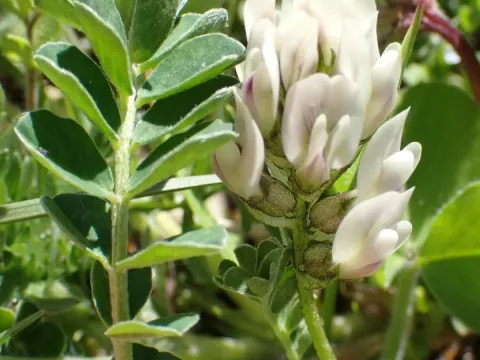
Depressed milkvetch
Astragalus depressus
Depressed milkvetch (Astragalus depressus) is a perennial herbaceous plant belonging to the Fabaceae family. It is characterized by a low-growing, prostrate habit, which makes it well-suited for high-altitude and exposed environments.
What the section contains
Depressed milkvetch
The plant features a robust taproot system that allows it to thrive in nutrient-poor soils. The stems are typically short or flattened against the ground, protecting the plant from the harsh winds found in its native habitat.
The leaves are pinnate and often pubescent, providing a layer of protection against excessive solar radiation and moisture loss. This botanical adaptation is crucial for survival in arid mountain landscapes.
Flowering occurs during the summer months, producing dense inflorescences typical of the milkvetch genus. These flowers provide a significant nectar source for pollinators, supporting local biodiversity.
From an agronomic perspective, this plant is primarily valued for its role in land reclamation and soil stabilization. Its ability to colonize difficult terrains makes it a useful component in ecological restoration projects.
The species requires high levels of solar exposure and does not tolerate competition from taller vegetation. It thrives best in open, sunny locations where it can access maximum sunlight throughout the day.
Depressed milkvetch is undemanding regarding soil fertility, preferring well-drained sandy, rocky, or gravelly substrates. Good drainage is essential, as waterlogging is a primary factor leading to root health issues.
The plant exhibits excellent cold tolerance, allowing it to withstand the severe temperature fluctuations typical of mountain regions. It remains dormant during the winter, showing high resilience to frost.
A neutral to slightly alkaline soil pH is optimal for healthy growth. Acidic conditions hinder the plant's ability to form symbiotic relationships with nitrogen-fixing bacteria, which are vital for its nutrition.
Cultivation requires minimal intervention once established. Initial weed control is necessary during the seedling stage to ensure the plant can anchor itself and establish its root system properly.
The agricultural utility of Astragalus depressus is primarily focused on environmental services rather than intensive biomass production. It is not typically grown as a main forage crop due to its low height.
However, its biomass is highly nutritious, containing significant levels of protein and minerals. In natural pasture settings, it serves as a valuable forage component for grazing livestock in mountain regions.
Seed production is not a major objective for commercial scale, as the plant spreads naturally. However, seeds can be harvested when pods fully mature, provided that environmental conditions allow for even ripening.
The main yield benefit lies in its contribution to long-term soil health. By fixing atmospheric nitrogen and adding organic matter through root decay, it enhances the fertility and physical structure of degraded lands.
It is increasingly used in erosion-control seed mixtures. Its ability to create dense ground cover helps stabilize slopes and prevent soil loss, providing tangible economic benefits in land management.
Root rot is the most common threat to this species, usually triggered by excessive moisture or poor soil drainage. Infected plants show signs of wilting and decay, often leading to total loss if conditions persist.
Root-nodule weevils can significantly damage the plant by feeding on root tissues and interfering with nitrogen fixation. Integrated pest management practices are recommended to mitigate their impact.
Aphids may infest young shoots during the growing season, draining plant sap and acting as vectors for various viral diseases. Early detection and treatment are vital for maintaining vigorous plant stands.
Powdery mildew can occur in dense plantings with poor air circulation, reducing the plant's photosynthetic efficiency. Proper spacing during sowing is the most effective preventative measure against this pathogen.
Small rodents can pose a threat, especially during winter months, by gnawing on the root systems. Protecting the crop with physical barriers or targeted deterrents can help preserve the health of the population.