
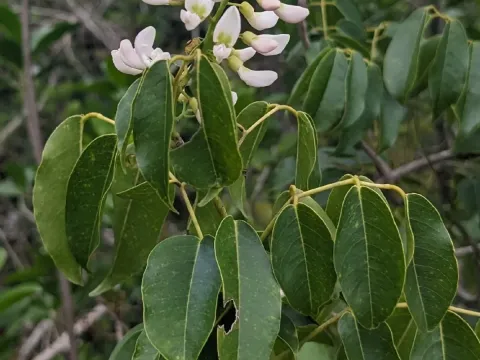
Derris
Derris
Derris is a genus of climbing vines belonging to the Fabaceae family, primarily cultivated for the insecticidal properties found in its root system.
What the section contains


Derris
Propagation is typically achieved through vegetative cuttings, ensuring that the offspring retain the high concentration of active compounds found in the parent plant.
Planting is best performed at the beginning of the rainy season, as the high ambient humidity is crucial for the successful establishment of the root system.
Cuttings are usually placed in well-prepared soil trenches enriched with organic matter to provide the necessary nutrients for initial growth.
Spacing between plants should be sufficient to allow the vines to develop their canopy, which facilitates healthy maturation and prevents competition for sunlight.
Derris requires a tropical climate characterized by consistently high temperatures and significant rainfall, with no risk of frost or extreme cold weather.
The plant thrives in deep, well-drained loam or sandy soils that prevent waterlogging, as excessive moisture is detrimental to root health and development.
A neutral to slightly acidic soil pH is ideal, as it supports the metabolic processes required for the plant to accumulate sufficient levels of rotenone.
While the plant is hardy in semi-shaded conditions, it requires moderate exposure to light to maintain optimal growth rates throughout the year.
Wind protection is advised in open areas to prevent damage to the climbing vines, which are sensitive to strong winds during their formative years.
The economic yield of Derris is concentrated in its roots, which are harvested for the production of rotenone, a widely used botanical insecticide.
Yields are generally evaluated based on the dry weight of the roots and their chemical potency, which typically peak between the second and third year of cultivation.
Successful management of the plantation can lead to consistent annual harvests, providing a reliable supply of raw material for the agrochemical industry.
Quality control is vital, as the concentration of active compounds can vary significantly based on the specific variety of Derris and the soil composition.
The processing of the harvested roots involves washing, drying, and milling to convert the raw plant material into a stable, marketable extract.
Derris is susceptible to various fungal root diseases, particularly in environments where soil drainage is poor or water remains stagnant for extended periods.
Nematodes are a significant threat to Derris plantations, as they can cause severe damage to the root system, leading to stunted growth and reduced insecticidal output.
While the plant produces its own defenses against many common insects, it can still be affected by specific pests that target the foliage of younger plants.
Preventative measures include crop rotation, the use of disease-free planting material, and constant monitoring of the fields for signs of pest infestation.
Maintaining proper hygiene on the plantation is essential to prevent the spread of soil-borne pathogens that could jeopardize the entire harvest.
Harvesting Derris involves the complete extraction of the root system from the soil, a task that is often performed manually to ensure minimal damage to the roots.
The harvest should be conducted during the dry season to simplify soil removal and to ensure that the roots are not subjected to excess moisture during drying.
Once extracted, the roots are cleaned thoroughly and cut into pieces of a uniform size to facilitate even drying under controlled conditions.
It is critical to keep the drying roots out of direct sunlight, as exposure to ultraviolet light can cause the degradation of the active rotenone content.
After the roots have dried to the required moisture level, they are packaged and stored in cool, dark places until they are ready for industrial processing.