
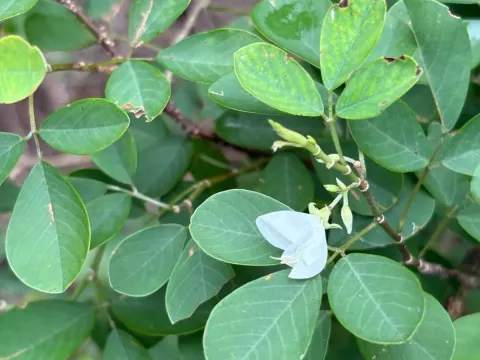
Dendrolobium
Dendrolobium
Dendrolobium is a genus of shrubs and trees belonging to the Fabaceae family. These plants are recognized for their ecological and agricultural value, primarily due to their symbiotic relationship with nitrogen-fixing bacteria, which contributes to soil nitrogen enrichment in tropical ecosystems.
What the section contains


Dendrolobium
The native range of the genus includes various tropical areas across Asia. Dendrolobium species typically thrive in warm, humid climates, showing a preference for open forest edges, grasslands, and areas with stable precipitation patterns, where they can utilize full or partial sunlight.
Regarding soil requirements, these plants perform best in well-drained soils that allow for good root respiration. While they can adapt to relatively poor soil conditions, their biomass production increases significantly in nutrient-rich substrates, making them suitable for agroforestry integration.
The ideal temperature for active growth ranges between +22 and +30 degrees Celsius. Dendrolobium is highly sensitive to frost, which limits its commercial cultivation to frost-free regions. Protection from cold winds is also recommended for young plants to ensure proper development.
Cultural management in the early stages requires careful weeding, as young seedlings grow relatively slowly. Once established, the dense canopy of the shrub serves as a natural competitor against invasive weeds, significantly reducing the need for intensive chemical or mechanical maintenance.
Dendrolobium is extensively used for green manure production. Its high nitrogen content makes it an excellent cover crop, which improves the organic matter content of the soil and prepares the land for subsequent agricultural cycles in sustainable farming systems.
In livestock production, it serves as a supplementary source of forage. The leaves are rich in proteins and minerals, providing a stable food source for grazing animals during the dry season, thereby maintaining the productivity of livestock farms in tropical areas.
The structural characteristics of the plant allow it to be used for live fencing and windbreaks. These barriers are essential for preventing soil erosion on slopes, protecting smaller crops from strong winds, and promoting the stability of the terrain in high-rainfall zones.
Research into the secondary metabolites of Dendrolobium highlights its potential in the pharmaceutical industry. Various parts of the plant contain active compounds that are currently being studied for their potential therapeutic applications in traditional and modern medicine.
The yield of biomass is optimized through systematic pruning, which encourages the development of new, succulent shoots. Farmers should monitor the plants regularly to determine the optimal harvest timing, ensuring the highest nutrient value in the collected green material.
Fungal diseases are among the most significant threats to Dendrolobium, especially in regions with excessive rainfall. Conditions such as anthracnose can lead to premature leaf drop and stunted growth, requiring careful monitoring and spacing of plants to improve air circulation.
Pest infestations, including various lepidopteran larvae and beetles, can cause localized damage to the foliage. Implementing integrated pest management (IPM) strategies, which prioritize natural predators and biological controls, is more effective than relying solely on broad-spectrum pesticides.
Root system issues, such as root rot, are often linked to poor drainage or overly compacted soil. Addressing soil aeration through strategic tillage or soil amendment before planting can significantly reduce the vulnerability of the plants to soil-borne pathogens.
Nematode pressure can impair the plant’s ability to fix nitrogen and absorb nutrients. Crop rotation and the introduction of antagonist plants within the farming system help manage nematode populations naturally, safeguarding the health of the Dendrolobium plantation.
Routine field surveys are essential for maintaining a healthy crop. Identifying symptoms such as yellowing leaves or discolored stems early allows for targeted interventions, preventing the spread of diseases and ensuring the sustained health and productivity of the entire stand.