
Senegalia
Senegalia Raf.
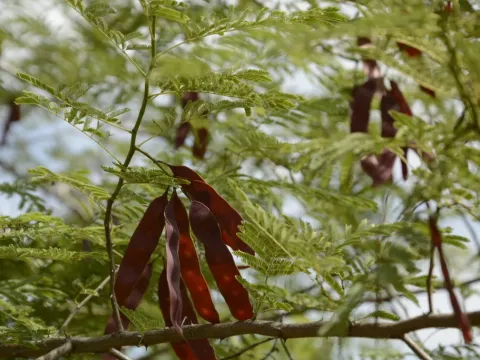
Senegalia is a genus of flowering plants in the family Fabaceae, formerly classified within the Acacia genus. These trees and shrubs are native to tropical and subtropical regions, particularly in Africa and India, where they dominate arid landscapes.
What the section contains

Senegalia
These plants are highly adapted to harsh environments, thriving in sandy or stony soils with limited nutrient content. They play a vital role in soil stabilization and nitrogen fixation due to their symbiotic relationship with soil bacteria.
The climate requirements include high solar radiation and a distinct dry season. Senegalia species are extremely heat-tolerant, making them suitable for reforestation efforts in semi-arid zones where other crops fail to survive.
Soil management for these trees focuses on preventing waterlogging, as the root systems are prone to rotting in saturated conditions. A pH range from slightly acidic to slightly alkaline is optimal for growth.
From an agricultural standpoint, Senegalia is primarily cultivated for the production of gum arabic. The harvesting process involves careful tapping of the bark during the dry season to collect the exudate that hardens upon exposure to air.
Fungal pathogens represent the most significant threat to Senegalia plantations, particularly those affecting the root and collar zones. Improving drainage is the primary defense strategy against these soil-borne threats.
Wood-boring beetles are considered major pests, as they disrupt the vascular tissue and interfere with the tree's ability to produce gum. Integrated pest management, including pheromone traps, is often recommended for large scale production.
Defoliating insects can significantly reduce the photosynthetic capacity of the trees, leading to lower vigor and yield. Monitoring for early signs of infestation is crucial during the active growing season.
Parasitic plants, including various species of mistletoe, may weaken the host trees by competing for nutrients. Regular canopy pruning is an effective way to remove these parasites before they cause extensive damage.
Seed-feeding bruchid beetles can destroy harvestable seeds, posing a threat to the propagation and regeneration of the plantation. Proper seed storage conditions, such as cool and dry environments, are essential to minimize losses.