
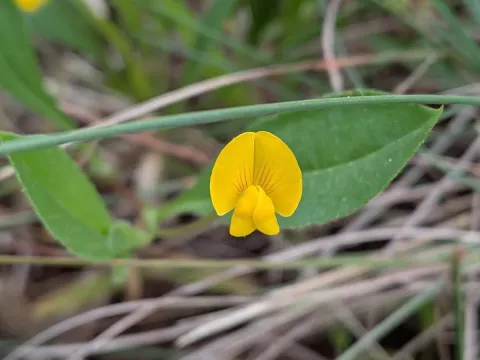
Scorpiurus sulcatus
Scorpiurus sulcatus
Scorpiurus sulcatus is an annual leguminous plant native to the Mediterranean region, known for its rapid growth cycle and high adaptability to diverse environments.
What the section contains
Scorpiurus sulcatus
Sowing typically occurs in the autumn or early spring, depending on the specific climate zone and the availability of soil moisture required for germination.
The seeds should be sown at a shallow depth of 2 to 3 centimeters, as deep burial significantly hinders the emergence of seedlings and reduces initial crop density.
When cultivated in rows, the plant establishes a strong root system quickly, which is essential for surviving the subsequent high temperatures of the summer months.
Because the seeds have varying degrees of dormancy, the plant often regenerates naturally in the following seasons, which is a significant benefit for permanent grazing pastures.
This crop thrives in well-drained, sandy, or calcareous soils and demonstrates remarkable resilience to drought, making it suitable for semi-arid agricultural regions.
Scorpiurus sulcatus is highly tolerant to saline conditions, allowing farmers to utilize land that is often too degraded or unproductive for more sensitive crop varieties.
It prefers a sunny, open location and does not tolerate competition from tall weeds, so maintaining clean field conditions during the establishment phase is vital.
The optimal temperature range for vegetative growth is between 15 and 25 degrees Celsius; however, the plant can tolerate significant thermal stress once established.
Nitrogen fixation is facilitated by specific strains of bacteria; therefore, ensuring the presence of appropriate soil microflora is crucial for maximum biomass production.
The primary use of Scorpiurus sulcatus is as a high-quality forage crop, providing excellent nutrition for sheep, goats, and other small ruminants in Mediterranean grazing systems.
The green biomass is rich in proteins and minerals, making it a valuable alternative to traditional grass-based pastures during periods of seasonal feed shortages.
Even when mature, the curled pods retain high nutritional value, allowing the plant to serve as an effective standing hay that livestock can graze late into the season.
As a legume, it leaves a legacy of nitrogen-enriched soil, which provides a natural fertilizer boost to subsequent rotation crops like cereals or oilseeds.
The total yield of green matter is generally stable across different years, provided that the plant receives at least minimal rainfall during its primary growth period.
Although it is a hardy plant, Scorpiurus sulcatus can be susceptible to root rots if grown in compacted or waterlogged soils with poor air circulation.
Aphids and certain types of weevils are the most common pests that can damage the developing floral parts and leaves, especially during a damp, cool spring.
Integrated pest management, including crop rotation and monitoring, is recommended to keep pest populations below the economic threshold without the need for intensive chemical use.
Fungal pathogens may occasionally appear in dense stands if humidity is consistently high, suggesting that proper sowing density is a key preventative measure.
Regular field scouting is highly effective in managing potential threats, as it allows for timely intervention before localized pest spots can expand across the field.
Harvesting for fodder should be timed to coincide with the full flowering stage, which ensures the highest possible concentration of nutrients before the plant shifts energy to seed production.
When intended for hay, the material should be dried carefully to prevent leaf loss, as the foliage contains the most digestible portion of the plant's nutritional profile.
Seed harvesting is conducted once the pods are fully mature and have turned a characteristic brown, ensuring that they are dry enough for threshing.
The unique, coiled shape of the seed pods requires careful adjustment of harvesting machinery to ensure minimal grain loss and high purity of the final seed lot.
Incorporating crop residues into the soil after the harvest serves as an excellent green manure, further enhancing the long-term sustainability and productivity of the agricultural field.