
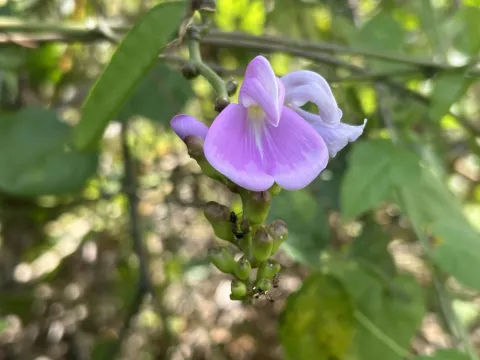
Sea bean
Canavalia lineata
Canavalia lineata is a heat-loving plant that requires stable, warm soil conditions for successful germination, typically avoiding any risk of frost.
What the section contains
Sea bean
Planting usually occurs in late spring when ground temperatures reach at least 18-20 degrees Celsius, ensuring rapid root establishment for the seedlings.
Seeds should be sown at a depth of 3 to 5 centimeters to protect them from surface drying and to provide a consistent environment for the embryo to sprout.
Row planting is the preferred method for agricultural use, allowing for uniform plant distribution and easier field management during the early growth stages.
Adequate seed density is crucial to ensure early ground cover, which effectively suppresses weed development and minimizes the need for chemical control.
As a member of the Fabaceae family, this plant thrives in full sun, requiring exposure to light to maximize photosynthetic activity and biomass production.
It is highly recognized for its adaptation to saline coastal conditions, demonstrating remarkable salt tolerance in sandy or depleted soil environments.
While drought-tolerant once established, it prefers moderate moisture levels and does not perform well in waterlogged areas where root respiration is inhibited.
Well-drained, loose soils are ideal for the development of its deep taproot system, which helps the plant sustain itself during intermittent dry spells.
The plant is specifically adapted to tropical and subtropical climates, making it unsuitable for cultivation in regions with cold winters or short growing seasons.
The yield of green biomass is impressive, making Canavalia lineata an excellent choice for improving soil organic matter and fertility through nitrogen fixation.
Biomass production is optimized when the plant is grown in nutrient-balanced soils, even if those soils have low initial fertility, thanks to its symbiotic bacteria.
A dense carpet of foliage is typically achieved within a few months of growth, providing comprehensive surface coverage that protects against soil erosion.
Seed yield varies depending on environmental conditions, but the plant generally produces a reliable quantity of seeds for subsequent cultivation cycles.
To maximize yields, producers should ensure proper irrigation during the initial germination phase and prevent nutrient competition from neighboring invasive weeds.
Young plants are particularly vulnerable to soil-borne pests, such as larvae of beetles and nematodes, which can stunt development by damaging root tissues.
Fungal diseases like anthracnose and various leaf spots may occur in conditions of high humidity, necessitating good air circulation within the field.
Aphid infestations on tender shoots can sap the plant of vital nutrients and increase the risk of secondary viral infections, requiring regular monitoring.
Powdery mildew can become a concern during periods of high temperature fluctuations, leading to premature leaf drop and reduced plant vigor.
Effective management strategies include crop rotation and the use of resistant varieties, which help maintain the health and stability of the crop stand.
Harvesting for green manure is most efficient at the onset of flowering, as the nitrogen content in the tissues is highest before seed development begins.
The biomass is typically chopped and incorporated into the top 10-15 centimeters of the soil, promoting biological activity and improving soil structure.
For seed production, harvesting should be performed once the pods have fully matured and darkened to ensure the seeds have reached physiological maturity.
Mechanical harvesters must be adjusted to maintain low rotor speeds, preventing damage to the seed coat and ensuring high viability for storage.
Post-harvest drying is essential; seeds must be kept in cool, dry conditions to prevent the growth of molds and preserve their germination potential for the future.