
Schotia
Schotia
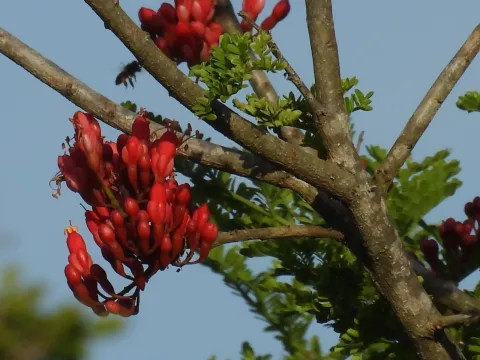
Schotia is a genus of trees and shrubs belonging to the Fabaceae family, often referred to as "boer-bean" trees. Native to Southern Africa, these plants are known for their spectacular flowers that produce copious amounts of nectar, attracting a variety of bird species.
What the section contains


Schotia
These plants thrive in tropical and subtropical climates and require full sun exposure to flourish. They are highly sensitive to frost, making them suitable only for warm regions where extreme temperature drops are rare or non-existent.
Regarding soil, Schotia requires excellent drainage to prevent root issues. While they can adapt to various soil types, they prefer deep, fertile loams with a neutral to slightly acidic pH level. Overwatering is a common mistake that can lead to rapid decay.
Agrotechnical practices include moderate irrigation during the establishment phase and the early stages of growth. Once mature, these trees exhibit significant drought tolerance, making them an excellent choice for low-maintenance landscaping in arid climates.
In terms of usage, Schotia is highly valued in horticulture as an ornamental specimen for parks, gardens, and urban spaces. Its dense canopy provides excellent shade, while its late-season blooms offer color when many other species have finished flowering.
Schotia is susceptible to infestations by aphids and scale insects, which target the foliage and younger branches. Regular scouting and the application of horticultural oils or systemic insecticides can manage these pest populations effectively.
Fungal pathogens such as powdery mildew can develop if the tree is planted in areas with poor air circulation or consistently high humidity. Pruning to open the canopy is the primary method of preventing these issues.
Root rot, often caused by Pythium or Phytophthora species, represents a major risk in waterlogged soil. Ensuring that the planting site has a proper drainage system is crucial for the long-term survival of the tree.
Larvae of leaf-eating insects may damage the foliage during the peak growing season, potentially affecting the tree's photosynthesis and visual appeal. Integrated pest management should be employed to mitigate such damage.
Environmental stress, particularly cold snaps, can weaken the plant's natural defense systems, leaving it susceptible to opportunistic diseases. Proper site selection and protection during the first winter seasons are recommended for successful cultivation.