
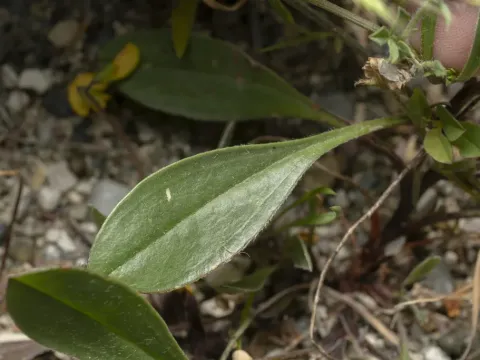
Scorpiurus
Scorpiurus
Scorpiurus belongs to the Fabaceae family and is an annual herbaceous plant known for its interesting, scorpion-tail-like pod shapes. Sowing is typically scheduled for early spring once the soil temperature is consistently above 8-10°C.
What the section contains


Scorpiurus
The recommended seeding method involves row planting with spacing of 15 to 20 cm. This allows for optimal plant density and simplifies mechanical weed control during the early growth stages.
Seed depth should be kept between 2 and 3 cm to ensure emergence without exhausting the seed's energy reserves. Light compaction of the soil after sowing helps improve moisture contact.
When introducing the crop to new fields, inoculation with specific nitrogen-fixing bacteria is highly recommended to maximize the plant's symbiotic potential and yield.
Choosing a well-prepared seedbed with fine soil structure significantly enhances uniform germination and seedling establishment across the entire field.
This crop thrives in well-drained, fertile soils with a neutral or slightly alkaline pH level. It is highly valued for its drought tolerance, making it suitable for Mediterranean-type climates.
Scorpiurus requires full sun exposure and does not perform well under shading. It has an excellent ability to adapt to varying temperatures, though it grows most vigorously between 20-25°C.
While capable of growing in rocky or sandy substrates, the crop achieves its highest biomass production on loamy soils with adequate aeration.
It is relatively undemanding regarding supplemental fertilizers, although phosphorus and potassium applications can boost early development and root system expansion.
Proper water management is essential; while the plant is drought-resistant, stagnant water in the root zone can trigger physiological stress and disease susceptibility.
The yield of Scorpiurus is primarily driven by available moisture and the number of cuttings performed during the vegetative cycle. It serves as an excellent source of high-protein forage.
As a legume, it contributes significantly to soil health by fixing atmospheric nitrogen, which benefits subsequent crops in the rotation cycle.
The fodder produced is highly nutritious, making it an attractive option for livestock producers looking for high-quality, sustainable feed sources.
When managed as a multi-cut crop, it exhibits a strong capacity for regrowth, providing consistent yields throughout the growing season in favorable environments.
Seed yields are generally stable, providing a dual-purpose potential for growers interested in both fodder production and seed multiplication.
Powdery mildew is the most common fungal challenge, particularly in humid conditions with poor air circulation. Managing plant density and field hygiene can effectively mitigate these risks.
Nodule weevils are potential pests that can cause damage to seedlings and foliage. Monitoring fields during the emergence phase is critical for effective management.
Aphids may infest the plant during the flowering stage, potentially impacting both biomass quality and seed set. Integrated pest management strategies are advised.
Root rot is often associated with waterlogged conditions or compacted soils. Improving soil structure and drainage is the primary defense against this issue.
Early-season weed competition can severely stunt growth, necessitating proactive weed control measures to ensure the crop establishes dominance quickly.
Harvesting for green fodder should occur at the early bloom stage, which provides the best balance between biomass weight and nutrient content.
When producing hay, using conditioners is recommended to dry the material uniformly, preserving the nutrient-rich leaves that are easily lost during handling.
Seed harvesting should be performed when the pods are fully mature and dry, usually indicated by their characteristic color change and structural firmness.
Careful machinery calibration is necessary during seed collection to prevent pod shattering and mechanical damage to the seeds themselves.
Storage requires cool, dry conditions with moisture levels maintained below 14% to ensure the longevity and viability of the seeds for future seasons.