
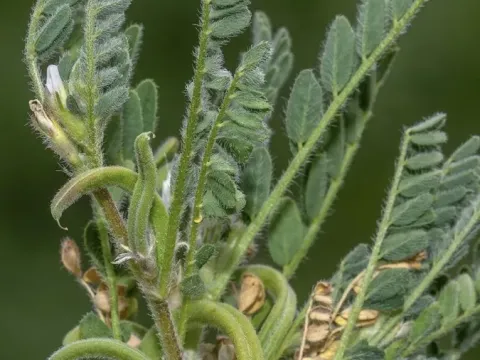
Scorpion milkvetch
Astragalus scorpioides
Scorpion milkvetch (Astragalus scorpioides) is a perennial member of the Fabaceae family. This species is native to the Mediterranean basin, exhibiting significant adaptation to arid environments and rocky soil substrates.
What the section contains
Scorpion milkvetch
Botanically, it is recognized by its distinct seed pods and robust growth habit. Its deep taproot system allows it to access subsoil moisture, making it a highly drought-tolerant species suitable for dryland farming.
The plant requires well-drained soil to thrive. It performs best in neutral to slightly alkaline pH conditions. Improving soil aeration is critical, as heavy, compacted soils can inhibit root development and nitrogen-fixing activity.
In agricultural practice, it is valued for its hardiness. It prefers full sun exposure and is capable of thriving in open field conditions where other forage crops might struggle due to lack of water.
Regarding its utility, scorpion milkvetch is often used in restoration of degraded grasslands and as a specialized forage crop, helping to maintain soil structure and nitrogen levels through symbiotic bacteria.
The main disease pressures include fungal pathogens such as powdery mildew and rust, which are commonly triggered by high humidity levels or stagnant air circulation in dense stands.
Root rot represents a significant threat when soil moisture is managed poorly, especially in regions with high seasonal rainfall. Selecting well-drained terrain is the primary preventive strategy.
Pea leaf weevils and other legume-targeting insects are the most common pests. They can cause substantial defoliation, particularly during the early stages of plant development.
Aphids may occasionally manifest on succulent new growth, potentially acting as vectors for viral diseases, which requires consistent field monitoring during the growing season.
Integrated pest management strategies should focus on crop rotation, balanced fertilization to promote plant vigor, and the use of targeted biological controls where infestation thresholds are met.