
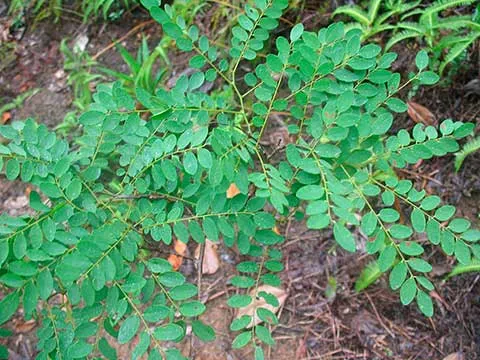
Sea Rosewood
Dalbergia maritima
Dalbergia maritima, commonly known as Sea Rosewood, is a species of the Fabaceae family. Propagation is primarily achieved through seeds collected from mature trees, which requires careful handling due to the species' slow growth rate.
What the section contains
Sea Rosewood
Sowing should take place in well-drained nursery containers. The use of sterilized potting mix is essential to ensure high germination rates and to prevent early-stage seedling diseases.
Seedlings typically require a period of nursery protection until they reach a sufficient height for transplanting. This allows them to develop a robust root system capable of supporting the tree in its permanent environment.
The best time for planting out is at the onset of the wet season, which provides the necessary hydration for successful establishment. Avoiding the peak of the dry season is crucial for young plants.
Techniques such as direct seeding in managed forest plots are being explored, though intensive care during the first few years remains the standard for successful cultivation of this rare species.
This species thrives in tropical climates characterized by high humidity and consistent warmth. It prefers well-drained, fertile soil, ideally with a slightly acidic to neutral pH level.
While the tree is associated with coastal areas, it is not salt-tolerant in the sense of growing in saline marshes; rather, it prefers the tropical maritime climate that these regions provide.
Optimal growth occurs at temperatures between 22 and 30 degrees Celsius. Exposure to cold temperatures or frost can lead to irreversible damage to the cambium and foliage.
Annual fertilization with organic matter is recommended to support rapid biomass accumulation. Nitrogen-fixing capabilities of this legume species also help improve soil quality over time.
Adequate spacing between trees is vital to ensure proper airflow and light penetration, which helps in maintaining the tree's health and the uniformity of the wood development.
The primary economic output of Dalbergia maritima is its highly prized timber, often marketed as a premium type of rosewood. It is famous for its dense, dark, and intricately patterned heartwood.
The harvesting cycle is long-term, often spanning several decades. Economic returns are achieved through the selective logging of mature specimens that have developed the desired wood properties.
Applications for this wood are predominantly in luxury sectors, including the crafting of high-end acoustic instruments, fine furniture, and intricate wood carvings that require excellent acoustic and physical stability.
The quality of the yield is determined by the age of the tree and the environmental conditions during its growth. Older trees produce a deeper color and a more complex grain, which commands higher prices.
Sustainable yield practices are essential. By integrating this species into managed agroforestry systems, producers can maintain a continuous supply of this rare material while protecting the species from extinction.
Boring insects represent the most significant pest risk, as they directly damage the valuable heartwood. Regular monitoring of tree health is necessary to detect and mitigate infestations early.
Root rot, often caused by waterlogging or fungal pathogens, is a common threat in poorly drained soils. Maintaining proper site drainage is the primary defense against such issues.
Deforestation and habitat loss due to land conversion pose an existential threat to wild populations. Conservation efforts focus on protecting existing stands and establishing new, managed plantations.
Biological controls and integrated pest management strategies are recommended to manage local populations of pests without disrupting the forest ecosystem balance.
Strict quarantine and handling regulations during seed and sapling trade are vital to prevent the introduction of regional diseases into new cultivation sites, ensuring the global health of the species.