
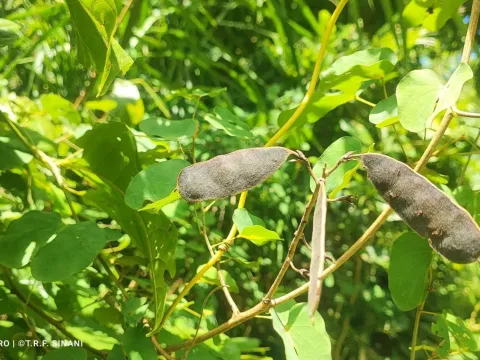
Schnella
Schnella
The genus Schnella is a member of the Fabaceae family, specifically classified within the subfamily Caesalpinioideae. Historically, these plants were categorized under the genus Bauhinia, but molecular phylogenetic studies have confirmed their distinct status as a separate genus.
What the section contains

Schnella
These plants are primarily native to the tropical regions of the Americas. In their natural habitat, they often take the form of woody vines or lianas, utilizing their climbing mechanisms to reach sunlight within the dense structure of tropical rainforests.
Cultivation of Schnella requires a tropical climate characterized by consistently high temperatures and high humidity levels. They are highly sensitive to frost, which limits their outdoor cultivation range primarily to tropical and subtropical zones.
For optimal development, the plants require well-drained, nutrient-rich soils. They thrive in environments where organic matter is abundant and where the soil structure prevents waterlogging, which is essential for maintaining healthy root systems.
The primary utility of the genus is ornamental. Due to their distinctive leaf shape—often cleft into two lobes—and attractive floral arrangements, they are highly valued in tropical landscape architecture for use on trellises, fences, and as climbing covers.