
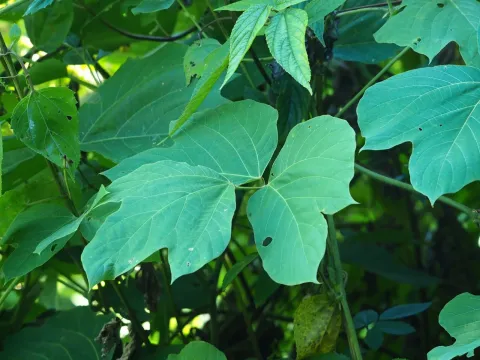
Pueraria thomsonii
Pueraria thomsonii
Pueraria thomsonii, a member of the Fabaceae family, is typically propagated through seeds sown in the spring after soil temperatures have risen significantly. In temperate regions, starting plants indoors or in a greenhouse is recommended to ensure a strong start.
What the section contains
Pueraria thomsonii
When sowing directly into the field, ensure the risk of late frosts has passed, as seedlings are sensitive to cold shock. Seeds should be planted at a depth of 2–3 centimeters in well-tilled, friable soil to encourage uniform germination.
Commercial production often utilizes vegetative propagation via root cuttings or stem cuttings. This method allows for faster establishment and more predictable yields, which is advantageous for large-scale agricultural operations.
Spacing between rows should be maintained at 1.5 to 2 meters to facilitate mechanical care and optimize light interception for the foliage. Proper spacing prevents overcrowding, which can hinder the development of the starch-rich root system.
Mulching the soil after planting is essential to conserve moisture and suppress initial weed growth. As a vigorous climber, Pueraria quickly establishes a canopy that suppresses competing vegetation, reducing the need for late-season weeding.
Pueraria thomsonii thrives in tropical and subtropical climates, requiring consistent warmth and full sun exposure. It is sensitive to extreme cold, which can significantly stunt growth or cause mortality in young plants.
The ideal soil for this crop is deep, well-drained, and fertile, preferably with a slightly acidic to neutral pH. Avoiding waterlogged conditions is critical, as excessive moisture leads to root rot and poor starch accumulation in the rhizomes.
Regular irrigation is necessary, especially during the early stages of development and in regions with seasonal drought. While established plants are somewhat drought-tolerant, consistent water supply is key to maximizing root volume.
Providing trellises or supports can improve foliage production and simplify harvesting, although ground-spreading cultivation is common for root-focused harvests. The choice depends on the specific goals and equipment available on the farm.
Adequate fertilization, particularly with potassium and phosphorus, supports the heavy energy requirements of root development. Regular application of compost or organic fertilizers enhances soil structure and overall plant health.
The yield of Pueraria thomsonii is primarily measured by the weight of its large, starchy rhizomes, which are harvested after 2 to 3 years of growth. High-quality yields are achieved by following rigorous agronomic protocols.
Under optimal conditions, the crop produces significant volumes of raw material, which is highly valued for its industrial starch content. Proper management of field fertility can dramatically increase the overall harvest size.
Beyond roots, the foliage provides a valuable, protein-rich source of livestock feed. Annual mowing of the aerial parts allows for multiple harvests per season, maximizing the economic utility of the entire plant biomass.
Success in achieving high yields relies on maintaining the plantation free from weeds during the first year. A strong, uniform canopy acts as a living mulch, which is the most efficient way to manage long-term site maintenance.
Statistical data suggests that specialized cultivars significantly outperform wild variants in both starch quality and root volume. Investing in certified seed or planting stock is a fundamental step for any profitable enterprise.
Root rot is the most serious threat to Pueraria plantations, usually occurring in poorly drained or waterlogged soils. Improving soil aeration through proper site preparation is the best way to prevent fungal infections.
Pests, such as various lepidopteran larvae and beetles, can cause extensive damage to the leaves if left unchecked. Early detection through field scouting is vital for implementing effective biological or chemical control strategies.
Nematode infestations can severely compromise root development, leading to weakened plants and reduced harvest quality. Maintaining a proper crop rotation cycle is essential to prevent the buildup of soil-borne pests.
Viral diseases are often spread by insect vectors, making the control of aphids and other sucking insects a priority for plant health. An integrated pest management (IPM) approach is highly recommended for sustainable success.
Maintaining high phytosanitary standards, including the use of clean planting material, significantly reduces the risk of disease. Regular monitoring and balanced fertilization help the crop maintain its natural resilience.
Harvesting of Pueraria thomsonii roots takes place in late autumn once the foliage begins to senescence naturally. At this stage, the plant has translocated most of its energy into the rhizomes, ensuring peak starch content.
Mechanized harvesting using heavy-duty potato diggers or similar machinery is necessary for large-scale operations to minimize labor. Care must be taken to minimize mechanical damage to the roots to maintain their industrial value.
Once harvested, roots should be cleaned and processed immediately to prevent degradation by enzymes. Rapid processing ensures the extraction of high-quality starch, which is the primary commercial product.
For storage, the processed starch or dried roots should be kept in cool, dry, and well-ventilated conditions. Protecting the product from moisture and direct sunlight is essential to maintain its shelf life.
Foliage harvesting is conducted periodically throughout the summer months. By cutting the biomass before it becomes too lignified, farmers can produce high-quality forage suitable for various types of livestock.