
Pultenaea
Pultenaea
Pultenaea is a genus of evergreen shrubs belonging to the Fabaceae family. Native to Australia, these plants are distributed across various environments, ranging from sandy coastal plains to temperate forests and high-altitude alpine zones.
What the section contains


Pultenaea
Cultivation of Pultenaea requires well-draining soils, preferably sandy or loam-based, as the plant is highly sensitive to waterlogging. It is crucial to ensure that the soil has a low phosphorus content, as native Australian species are often adapted to nutrient-poor environments.
The plant thrives in full sun or light shade. It requires protection from strong, desiccating winds, which can damage the delicate foliage. Once established, Pultenaea displays good tolerance to drought, making it an excellent candidate for low-maintenance landscapes.
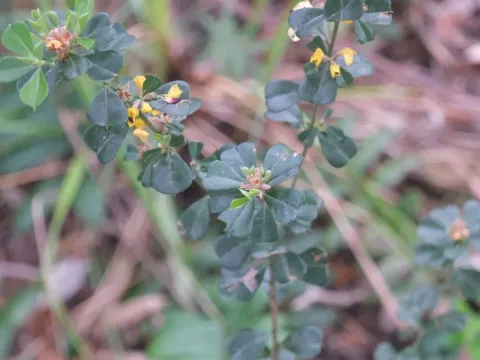
Botanically, Pultenaea is characterized by simple, alternate leaves and distinctive pea-shaped flowers. The blossoms are typically yellow, orange, or deep red, often appearing in profusion during the spring months, creating a vibrant display in the garden.
In terms of human use, Pultenaea is utilized primarily for ornamental purposes. Its unique appearance and adaptation to poor soils make it highly valued in xeriscaping and sustainable gardening projects where water conservation is a priority.
Phytophthora root rot is the primary disease threatening Pultenaea, particularly when cultivated in poorly drained or heavy clay soils that retain excess moisture.
Sap-sucking pests such as aphids and spider mites can occasionally affect the plant, particularly in sheltered or poorly ventilated areas where air circulation is restricted.
Fungal infections, including leaf spot, may occur if the foliage is kept wet for extended periods in humid climates, necessitating regular pruning for better airflow.
Nutrient deficiencies, particularly chlorosis caused by high pH levels or soil imbalance, can lead to stunted growth and yellowing of leaves, reducing the ornamental value.
Integrated pest management strategies focusing on correct site selection, irrigation control, and organic hygiene are essential to maintain the health of these shrubs.