
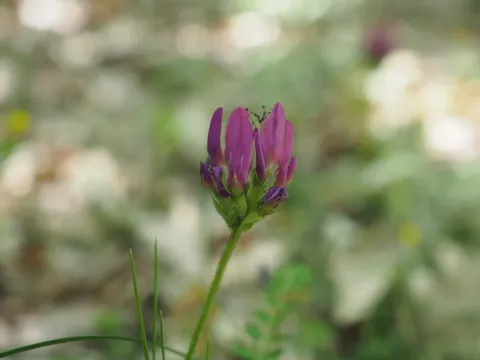
Purple milkvetch
Astragalus hypoglottis
Purple milkvetch (Astragalus hypoglottis) is a perennial herbaceous plant belonging to the Fabaceae family. It is known for its remarkable resilience and ability to thrive in various soil types, ranging from sandy to rocky terrains.
What the section contains
Purple milkvetch
The plant features a deep taproot system, which enables it to withstand prolonged droughts by accessing moisture from deeper soil layers, making it highly valuable for arid environments.
It prefers sunny and open locations with good drainage. The species is highly winter-hardy, allowing it to grow successfully in regions with harsh winters and significant temperature fluctuations.
The nutritional requirements are moderate; however, the plant develops best in alkaline to neutral soils. It is sensitive to excessive waterlogging, which can damage its root system over time.
A key biological feature is the plant's capacity for nitrogen fixation through symbiotic bacteria in its roots, which significantly enhances soil fertility and makes it an excellent candidate for crop rotation programs.
The optimal time for sowing purple milkvetch is early spring. This timing allows the seeds to utilize the moisture accumulated in the soil during winter for successful germination.
Seed scarification is often recommended before planting to break seed dormancy and increase the overall germination rate, ensuring a denser and more uniform stand.
Seeds should be sown at a shallow depth of 1–2 centimeters. Proper soil firming after sowing is essential to ensure good contact between the seed and the soil, facilitating efficient moisture absorption.
Seeding density varies based on the intended use, whether it is for hay production, pasture establishment, or soil conservation efforts in degraded areas.
As the plant establishes its root system during the first year, it may show slower vegetative growth. It is important to monitor and control weed competition during this early stage to prevent stunting.
Purple milkvetch is primarily utilized as a high-quality forage crop. It produces nutritious green biomass that is rich in proteins and essential minerals, making it suitable for livestock feed.
In addition to its feed value, it is a significant honey plant. It provides a long flowering season, producing high-quality nectar that supports local pollinator populations and benefits nearby agriculture.
The plant is highly effective in land reclamation and erosion control. Its dense foliage and extensive root structure help stabilize soil on slopes and improve the physical properties of degraded lands.
When used in multi-species pasture mixtures, purple milkvetch contributes to the overall stability and productivity of the forage stand, reducing reliance on synthetic nitrogen fertilizers.
Harvesting for hay should be timed carefully to maximize nutritional content, usually during the peak flowering stage before the stems become overly lignified.
Like many other legumes, purple milkvetch is susceptible to fungal diseases such as rust and leaf spots, particularly in seasons with high humidity and limited airflow.
Insect pests, such as weevils, can cause damage to the plant's leaves and reproductive parts, which can affect seed yields if not managed properly through sustainable agricultural practices.
To mitigate the impact of threats, it is crucial to maintain a healthy and vigorous stand by avoiding overgrazing and ensuring that the soil drainage remains adequate for the plant's needs.
Integrated pest management (IPM) strategies, including crop rotation and the selection of disease-resistant genotypes, remain the best way to maintain productivity.
Regular monitoring of the fields during the growing season helps in early detection of potential issues, allowing for timely and localized interventions when necessary.