
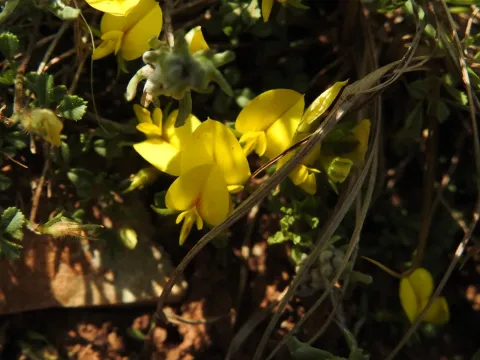
Ononis striata
Ononis striata
Ononis striata belongs to the Fabaceae family and is recognized for its adaptation to specific ecological niches, requiring careful management during the sowing phase.
What the section contains
Ononis striata
The optimal time for sowing is early spring when the soil temperature consistently reaches 8-10 degrees Celsius, facilitating rapid germination and establishment.
Seeds should be planted at a shallow depth of approximately 1.5 to 2 centimeters to ensure they have sufficient energy to break through the soil surface efficiently.
When sowing in rows, it is advisable to maintain a spacing of 45 to 60 centimeters, which allows for proper aeration and mechanical weed control during the season.
Pre-treatment of seeds, such as scarification, is highly recommended to break seed dormancy and increase the overall uniformity of plant emergence across the field.
This crop thrives in full sunlight and demonstrates significant drought tolerance, making it suitable for areas that experience long periods of dry weather.
It prefers light, sandy or well-drained loamy soils, as it is highly susceptible to root damage in heavy, waterlogged conditions where moisture levels are excessive.
A neutral soil pH is ideal for the development of Ononis striata; however, the plant is adaptable to slightly alkaline soils commonly found in its native range.
Winter hardiness is one of the key strengths of this species, allowing it to withstand frost cycles without the need for additional ground protection in temperate zones.
Proper field drainage is the most critical factor for successful cultivation, as even temporary water stagnation can lead to rapid decline of the stand.
The yield potential of Ononis striata is closely linked to plant density and the level of care provided during the first year of establishment and development.
By the second year, the root systems are fully matured, allowing for the harvesting of significant biomass that is valuable for various industrial and medicinal purposes.
Under good management conditions, the crop can yield up to 2 tons of dry matter per hectare, depending on soil fertility and the frequency of cultivation cycles.
Seed production is consistent, enabling farmers to harvest their own seeds for the following season, provided that the plants remain free from severe disease pressure.
Regular monitoring of plant growth and balanced nutrient application can further enhance the biomass yield and the concentration of vital secondary metabolites.
Weevils and aphids are among the primary pests that target the tender shoots and leaves, potentially reducing the photosynthetic capacity of the plants.
Fungal pathogens such as rust and leaf spot can emerge during periods of high humidity or excessive moisture, requiring proactive management to mitigate impact.
Root rot remains a major threat in fields with poor drainage, often caused by pathogenic fungi that thrive in overly moist soil conditions during the spring.
Powdery mildew may also occur during periods of temperature fluctuation, which can affect the aesthetic and chemical quality of the harvested aerial parts.
Integrated pest management strategies, including crop rotation and the selective use of fungicides, are necessary to ensure the long-term health of the crop.
The harvest of aerial biomass should be timed during the peak flowering stage to ensure the highest accumulation of chemical compounds within the plant tissues.
Root harvesting is best conducted in late autumn or early spring when the plant is dormant, which minimizes stress and ensures the quality of the root material.
Post-harvest processing involves thorough cleaning and drying in well-ventilated areas, away from direct light, to preserve the integrity of the plant's components.
Drying temperatures must be strictly controlled, typically staying below 45 degrees Celsius, to prevent the thermal degradation of delicate plant substances.
Properly packaged and stored dried material can maintain its quality for extended periods, meeting industry standards for pharmaceutical or raw ingredient trade.