
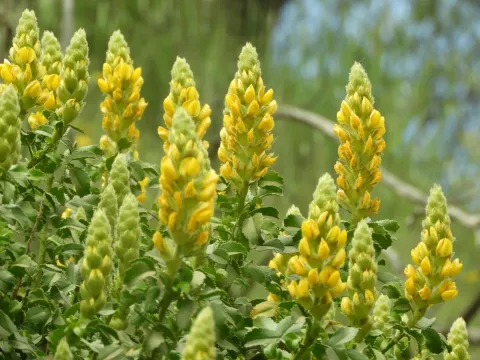
Ononis speciosa
Ononis speciosa
Ononis speciosa, a member of the Fabaceae family, is typically sown in early spring when soil temperatures reach 8–10 degrees Celsius. Successful establishment depends on sufficient soil moisture availability during the germination phase.
What the section contains
Ononis speciosa
Seeds should be planted at a depth of 2–3 centimeters to ensure optimal soil contact. This depth provides the necessary environment for consistent moisture absorption and early sprout development.
For commercial cultivation, a row spacing of 45–60 centimeters is recommended. This setup facilitates mechanical weeding and ensures that each plant has enough space for proper development of its root system.
Seed rates should be determined based on germination tests and soil conditions. It is advisable to adjust the density to prevent overcrowding, which can lead to increased competition for nutrients.
Pre-sowing scarification of seeds is a common practice to overcome the hard seed coat. This technique significantly improves uniformity in the field and results in more predictable harvest timing.
This crop thrives in sunny, open locations as it is highly light-demanding. Adequate solar radiation is essential for the accumulation of active compounds within the plant tissues.
Ononis speciosa prefers well-drained sandy loam or loamy soils. Poor drainage and high water tables are detrimental, as they promote root rot and weaken the plant's overall health and vigor.
Neutral to slightly alkaline pH levels are ideal for this species. Soil acidity should be corrected with lime application before planting to ensure optimal nutrient uptake and general plant vitality.
The plant demonstrates significant drought tolerance thanks to its deep taproot system. However, providing supplementary irrigation during the first growing season is crucial for the establishment of these deep roots.
Fertilization with phosphorus and potassium is beneficial for promoting strong root development and enhancing winter hardiness. Avoid excessive nitrogen, which favors leaf growth over root density.
Root rot is the most significant disease affecting the crop, typically triggered by waterlogged soil conditions. Prevention focuses on proper soil management and maintaining strict crop rotation practices.
Nodule weevils are a common pest that feeds on the vegetative parts of the plant. If infestation levels are high, appropriate insecticide applications during the active growth phase are necessary to prevent yield loss.
Aphids may cause damage during dry spells, sucking sap from tender shoots. Their presence can lead to leaf curling and weakened growth, necessitating monitoring and timely control measures.
Effective management includes regular field inspections and the removal of infected plants to stop the spread of potential pathogens. Maintaining a clean field environment is key to sustainable production.
Spatial isolation from other legumes helps reduce the risk of common pest and disease outbreaks that are often shared across the Fabaceae family members in a single farm area.
The harvesting of Ononis speciosa roots is generally performed in the autumn of the second year. This is when the concentration of desired active substances is at its physiological peak.
Mechanical harvesting tools, such as specialized plows, are used to lift the root systems carefully from the soil. Minimizing mechanical damage during extraction is essential to maintain high-quality raw material.
Once harvested, roots should be washed to remove soil particles and debris. Rapid drying is necessary, and care must be taken to prevent long exposure to water, which could leach out soluble compounds.
Drying is conducted in controlled environments at temperatures between 45 and 50 degrees Celsius. Excessive heat can degrade the chemical composition, therefore strictly monitoring the temperature is critical.
Dried material is stored in breathable containers in cool, dry, and dark warehouses. Protecting the product from moisture and light ensures the longevity and quality of the final harvest.