
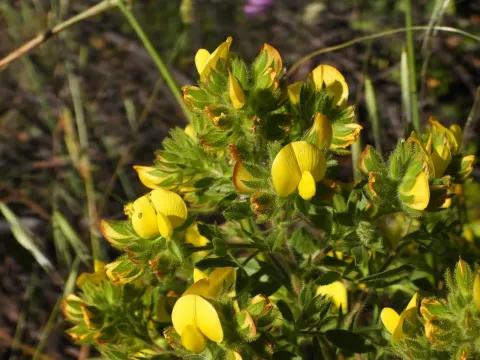
Ononis pubescens
Ononis pubescens
Ononis pubescens, a member of the Fabaceae family, is an annual herbaceous plant. For successful seed germination, stable soil warming is required, so sowing is recommended in the spring once the danger of late frosts has passed.
What the section contains
Ononis pubescens
The optimal time for planting is when the soil temperature at a depth of 5–10 cm reaches 12–15 degrees Celsius. The seeding depth varies from 2 to 3 centimeters depending on the soil type and its moisture level at the time of sowing.
A crucial factor in sowing is maintaining the correct row spacing, which should be between 30 and 45 centimeters. This ensures that the plants have enough space to develop a robust root system and facilitates optimal air circulation.
The crop is characterized by slow initial growth rates, so controlling weed infestation during the germination stage is critical. Regular weeding in the first 3–4 weeks after sowing prevents competition for essential nutrients and water.
Experts recommend using high-quality, pre-calibrated seeds for sowing. Autumn sowing is generally not recommended for this species due to the high risk of frost damage to seedlings in temperate climate zones.
This plant prefers well-lit areas, as shade significantly reduces flowering intensity and biomass accumulation. The light-loving nature of Ononis pubescens stems from its Mediterranean origin, where the crop receives maximum solar radiation.
Ononis pubescens has moderate requirements for soil conditions, but it performs best in light, well-drained loams or sandy soils. Stagnant water in the root zone is detrimental and can lead to the development of fungal infections.
The optimal soil pH range for this crop is 6.5–7.5. In overly acidic soils, the activity of nitrogen-fixing bacteria, which live in symbiosis with the plant's roots, is often inhibited, negatively affecting development.
The crop is highly drought-tolerant, making it a promising candidate for cultivation in regions with limited rainfall. Nevertheless, during critical growth phases, such as budding, moderate watering significantly improves overall yields.
Applying mineral fertilizers, especially phosphorus and potassium, significantly enhances the quality of the raw material and the plant's resistance to environmental stress. Nitrogen fertilizers should be applied in limited doses to avoid excessive vegetative growth at the expense of floral development.
The commercial use of Ononis pubescens is primarily focused on obtaining raw plant material for the pharmaceutical industry. Harvesting of the aerial parts should occur during the peak flowering phase when the concentration of bioactive compounds is at its highest.
The average yield of green mass depends on the level of agronomic practices and the climate of the growing region. With proper management, farmers can expect a stable output of dried plant material per hectare of cultivation.
Seed productivity of Ononis pubescens is moderate, so to preserve the crop, it is necessary to dedicate a portion of the field to seed production. Seeds are harvested when they are fully mature, evidenced by the characteristic brown or yellowish color of the pods.
After harvesting, the raw material must be dried immediately in well-ventilated areas or specialized dryers at temperatures not exceeding 40–45 degrees Celsius. This preserves the essential oils and flavonoids contained within the plant tissues.
The economic efficiency of growing this crop is highest when raw material processing takes place near the production sites. Deep processing allows for the utilization of both the aerial parts and the seeds for various pharmaceutical applications.
Like other legumes, Ononis pubescens can be susceptible to anthracnose, especially during periods of high humidity. Systemic fungicides are used preventively to control the spread of this fungal disease.
Rust is another common threat, manifesting as reddish spots on the leaves. Upon the first signs of infection, it is necessary to treat the fields with biological preparations or approved agricultural fungicides to protect the crop.
Among pests, weevils and various species of aphids pose the greatest threat to the crop by damaging young shoots and buds. Monitoring insect populations should be conducted weekly throughout the vegetation period to ensure timely intervention.
Nematodes residing in the soil can also cause significant damage to the root system, leading to a decrease in plant vigor. An effective preventive measure is maintaining a proper crop rotation system, ensuring that the plant returns to the same plot no sooner than every 3–4 years.
Weeds are the primary competitors for Ononis pubescens during the early stages of growth. Utilizing mulching techniques or timely mechanical inter-row cultivation helps minimize the negative impact of weeds on the total potential yield of the crop.